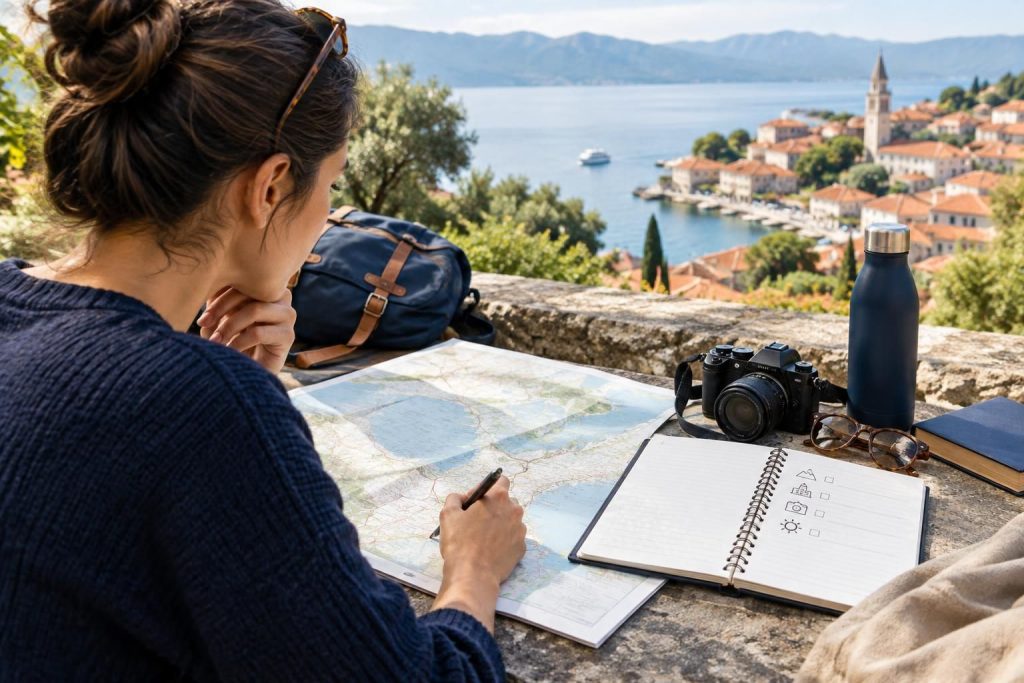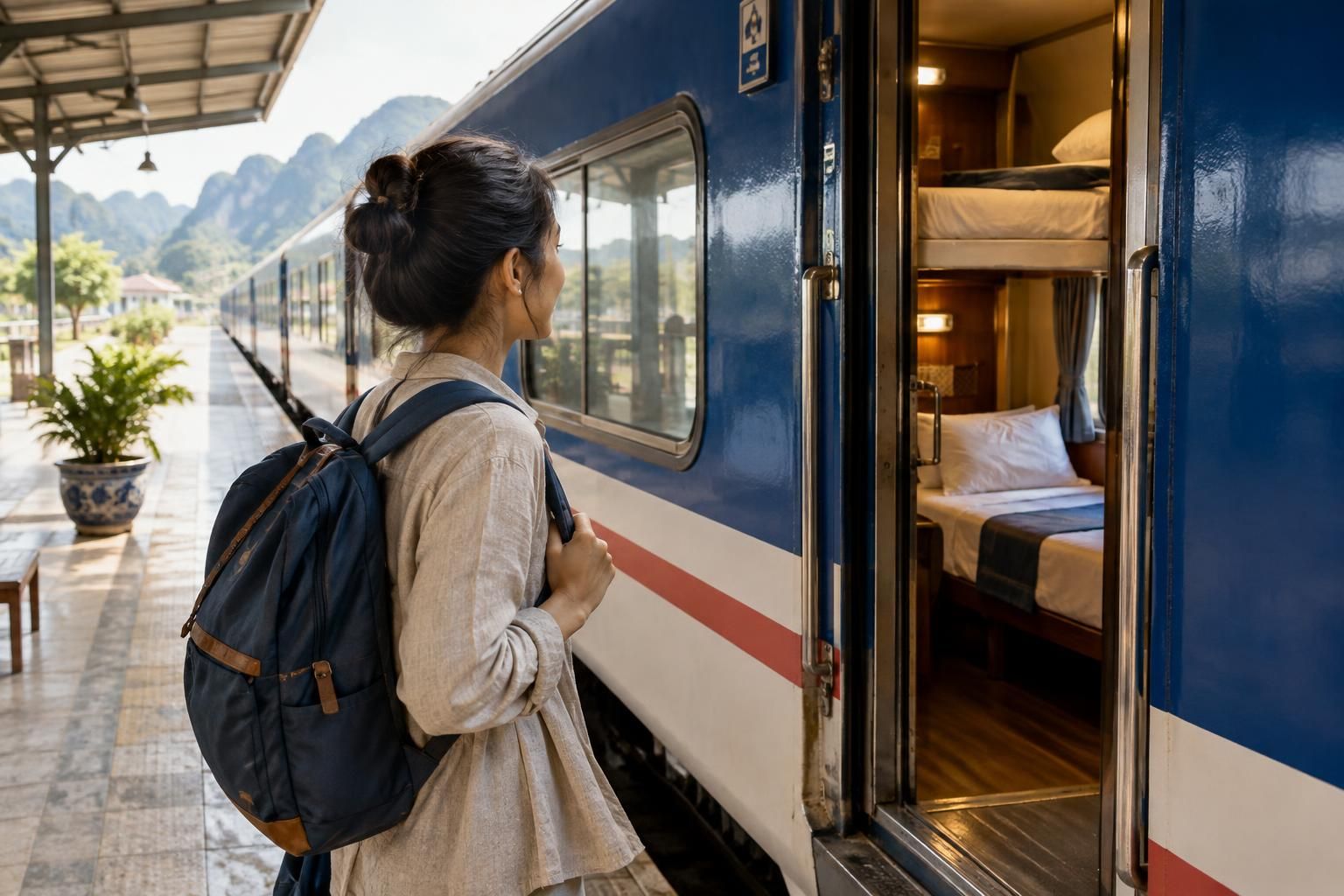
An overnight train can add a distinctive rhythm to a Vietnam trip: city streets give way to station platforms, evening becomes a journey, and morning begins somewhere new. It can also involve interrupted sleep, shared space and an arrival that does not match your hotel’s check-in time. The best approach is to treat the train as part of the experience rather than simply a replacement for a flight. Start with one well-chosen overnight leg, leave flexibility around it and decide which comforts matter most to you.
Choose the journey before building the itinerary
Vietnam’s long north–south geography makes rail travel appealing, but not every stretch belongs in an overnight plan. Begin with the places you genuinely want to visit, then consider whether a train connects them without creating awkward departure or arrival times. Hanoi, Hue, Da Nang and Ho Chi Minh City are useful cities to investigate when sketching a rail-based route.
For a first attempt, choose one overnight journey rather than linking several together. A route connecting Hanoi with central Vietnam, for example, can fit a trip combining an urban stay with Hue’s historical sights or time around Da Nang and Hoi An. Compare the actual services for your dates before deciding which direction works better.
Remember that travelling overnight sacrifices some scenery. If coastal views are a priority, consider a daylight rail section between Hue and Da Nang instead. A shorter scenic ride and a separate overnight journey can serve different purposes; neither needs to carry the whole itinerary.
Understand what you are booking
A sleeper ticket is not one uniform experience. Depending on the service, accommodation may include different berth arrangements, compartment sizes and carriage operators. Compare the exact description rather than relying on labels such as premium or deluxe. Look for the number of people sharing the compartment, berth position, bedding arrangements and whether your reservation assigns a specific berth.
Lower berths can be more convenient if you expect to get up frequently or find climbing awkward. Upper berths may offer a greater sense of separation but require using steps or a ladder. Neither choice removes the movement, noise or close quarters of a shared train carriage.
If travelling as a couple, family or group, check how berths are allocated and whether booking together places everyone in the same compartment. If privacy is essential, investigate whether an entire compartment can be reserved and what that reservation includes. Do not assume that unoccupied berths will remain empty.
Keep the departure day deliberately simple
Plan a light final day in your departure city. A leisurely meal, one nearby attraction and time to collect luggage are easier to manage than a distant excursion followed by a hurried station transfer. Keep the station name and your booking information accessible offline, particularly if your itinerary includes several cities.
Check the ticket’s departure date carefully: a departure shortly after midnight belongs to the next calendar day, even if you think of it as the previous evening. Also check what booking confirmation or identification you need to present and how boarding works for your chosen service.
Eat before boarding if that gives you more control over the evening. Carry drinking water and a few familiar snacks rather than depending entirely on onboard food. Allow a generous station buffer, especially when reaching it involves unfamiliar streets or busy urban traffic.
Pack a small kit for the carriage
Separate overnight essentials from your main luggage before reaching the station. A compact bag containing toiletries, tissues, a light layer, earplugs, an eye mask and a charging cable means you will not need to unpack a suitcase in a narrow shared space. Download reading, entertainment and travel details in advance.
Choose clothing you can comfortably sleep and walk around in, plus footwear that is easy to put on for bathroom visits. Keep documents, money and essential personal items together in a small bag within reach. Pack so that your belongings fit into the storage space available without spreading into the aisle.
A soft bag can be easier to handle than a large rigid suitcase, particularly when boarding or accessing a berth. Whatever luggage you use, aim to lift and move it yourself. Rail travel feels less cumbersome when your overnight kit is ready and your main bag can stay closed.
Plan for shared space and imperfect sleep
Think of the compartment as shared accommodation. Use headphones, keep conversations quiet when others are resting and organise your bedding without occupying another passenger’s berth. If you board late or leave early, having your essentials already separated reduces disruption.
Expect some combination of carriage movement, station noise, lighting and passengers joining along the way. Even travellers who enjoy sleeper trains may not sleep as well as they do in a hotel. Avoid making the next day depend on being fully rested, and choose another transport option if uninterrupted sleep is central to your plans.
Give arrival morning its own plan
An early arrival is useful only if you know what to do with it. Ask your accommodation about luggage storage and check-in arrangements rather than assuming a room will be ready. Keep a change of clothes and basic toiletries accessible so you can freshen up without opening every bag.
Make breakfast and a gentle neighbourhood walk your default first activities. Leave demanding sightseeing, long excursions and onward connections until you have had time to recover. If arriving in Da Nang before continuing to Hoi An, account for that separate road transfer rather than treating the railway station as your final destination.
Avoid placing an overnight train immediately before an important flight or another difficult-to-change commitment. A buffer night at the onward departure city gives the journey room to breathe and prevents one transport leg from dominating the rest of the trip.
A rewarding first overnight train journey in Vietnam starts with realistic expectations: choose one useful route, understand your berth and keep both ends of the journey unhurried. With a small overnight kit and a gentle arrival day, the train can become a memorable part of the trip without being asked to deliver hotel-quality sleep or solve every transport decision.
AI-assisted evergreen travel guide. Featured image is an AI-generated illustration, not a specific product or booking.