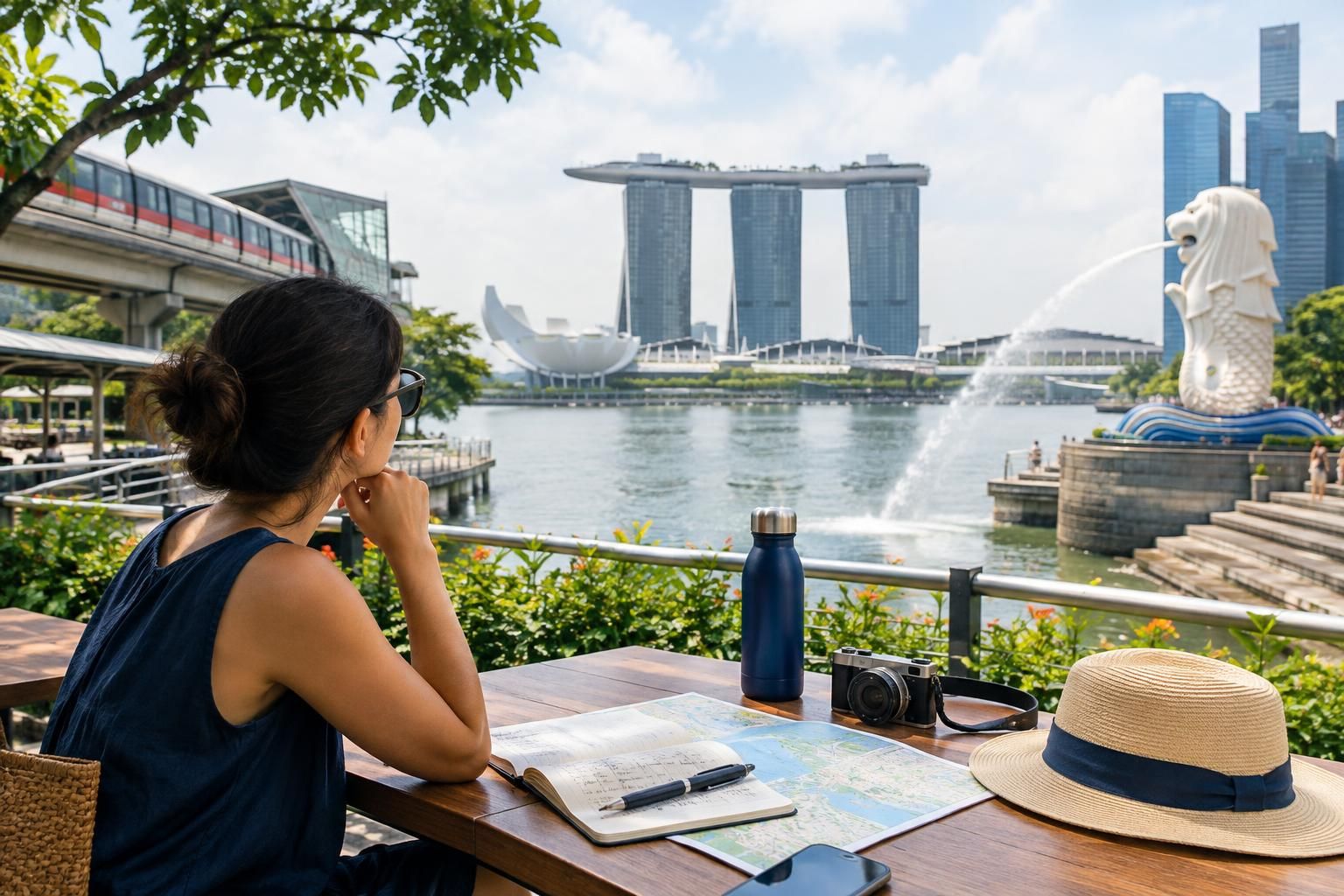
Singapore can look deceptively simple to plan: choose a central hotel, collect a list of attractions and connect them by train. Yet a short stay works better when you account for tropical heat, sudden rain and the difference between a convenient station and a comfortable walk. With three nights, you can combine distinctive neighborhoods, hawker meals, gardens and waterfront scenery without treating every day as a sightseeing marathon. The key is to group experiences geographically and leave enough space to enjoy the city between headline stops.
Decide What Three Nights Should Include
Three nights usually means two full sightseeing days plus whatever your arrival and departure times allow. Choose three priorities rather than a long attraction list: perhaps neighborhood food, tropical gardens and contemporary architecture. A museum enthusiast or family with young children might make different choices, but the same principle applies: give each full day one substantial focus.
Keep arrival day modest. After checking in, explore the immediate neighborhood and have an easy meal rather than committing to a timed experience across town. If Singapore is a stopover between longer flights, protect the first evening for rest. A late departure can support another outing, but only after allowing for luggage collection and the airport journey.
Choose a Base for the Journeys You Will Actually Make
For a first visit, compare hotels around City Hall, Bugis and Chinatown rather than assuming a waterfront address is essential. City Hall suits a civic-district and museum emphasis; Bugis works for combining shopping with nearby neighborhood exploration; Chinatown offers a useful setting for food-focused walks and heritage streets. These are broad starting points, not guarantees that every property is equally convenient.
Examine the walk from the hotel entrance to a useful MRT station entrance. A map pin beside a station can conceal road crossings, stairs or an awkward approach with luggage. Check room size, windows, noise comments and luggage-storage arrangements too. With children or travelers who need frequent breaks, a comfortable room and an uncomplicated return journey can matter more than a memorable view.
Build Each Day Around One Geographic Cluster
Use your first full day for a central-city pairing: Chinatown and the civic district, for example, followed by waterfront views if energy allows. Begin with outdoor streets, pause for lunch, then choose an indoor cultural visit during the hotter part of the day. Treat the evening waterfront walk as optional rather than the final compulsory item.
Give the second day a different character. Combine Kampong Glam and Little India for a neighborhood-led day, or choose gardens as the main outing and add a nearby meal afterward. The Singapore Botanic Gardens and Gardens by the Bay offer different settings; you do not need both on a short visit. Avoid inserting distant stops simply because they appear close on a whole-island map.
Use Transit to Reduce Friction, Not Just Cost
The MRT is a useful backbone for many visitor journeys, but a route with fewer transfers can be preferable to one with a slightly shorter estimated travel time. Buses may suit some trips, while a taxi or ride-hailing journey can be worth considering with luggage or tired companions. Compare the complete door-to-door journey rather than only the time spent aboard.
Before traveling, check current fare-payment options and whether your intended payment method is accepted. Save your accommodation name and address somewhere accessible without mobile data. For flights, work backward from your airline's check-in guidance and leave a margin for the airport transfer; do not make departure day depend on a tightly timed final attraction.
Make Food Part of the Route
Hawker centres and food courts can make meals an integral part of exploring rather than another appointment. Choose one near your day's activities and browse before ordering. Dishes such as chicken rice, laksa, dosa or kaya toast offer different directions for a food-focused visit, but there is no need to complete a prescribed eating checklist.
Carry a way to pay beyond a single card, since payment arrangements can differ between vendors. Follow posted tray-return instructions and observe how seating is being used before settling in. If you have dietary restrictions, ask about ingredients rather than relying on dish names or photographs; broths, sauces and garnishes may not be obvious from the menu description.
Plan for Heat and Rain Without Losing the Day
Put longer outdoor walks early or late in the day and allow indoor breaks between them. Pack lightweight clothing, comfortable walking shoes, a compact umbrella and a refillable water bottle. A light layer can be useful in air-conditioned interiors. Keep electronics and travel documents inside a water-resistant pouch rather than assuming a day bag will handle a downpour.
Prepare one nearby wet-weather alternative for each main outing, such as a museum, gallery or covered shopping area. Check current access arrangements before relying on it. When visiting active religious sites, follow local signage on clothing, photography and visitor access. The most successful short itinerary has room to pause, change direction and leave something for another visit.
A rewarding three-night Singapore stay needs fewer cross-city journeys, not more attractions. Choose a base with a practical station walk, organize each day around one area and give meals and weather breaks a place in the plan. You can then enjoy the contrast between gardens, neighborhood streets and the waterfront without spending the entire trip watching the clock.
AI-assisted evergreen travel guide. Featured image is an AI-generated illustration, not a specific product or booking.