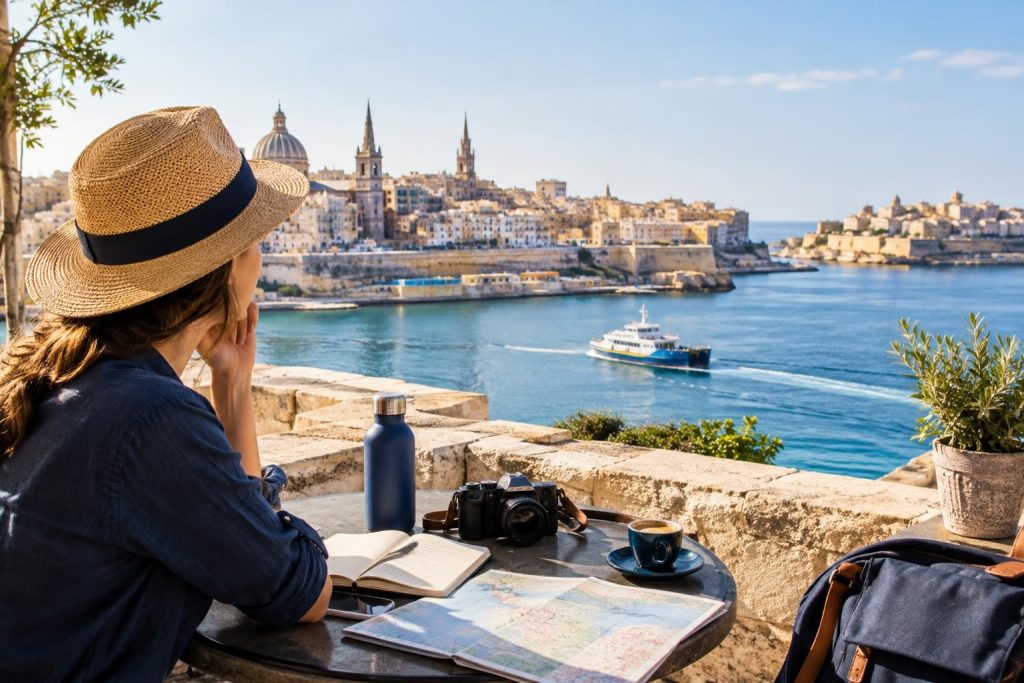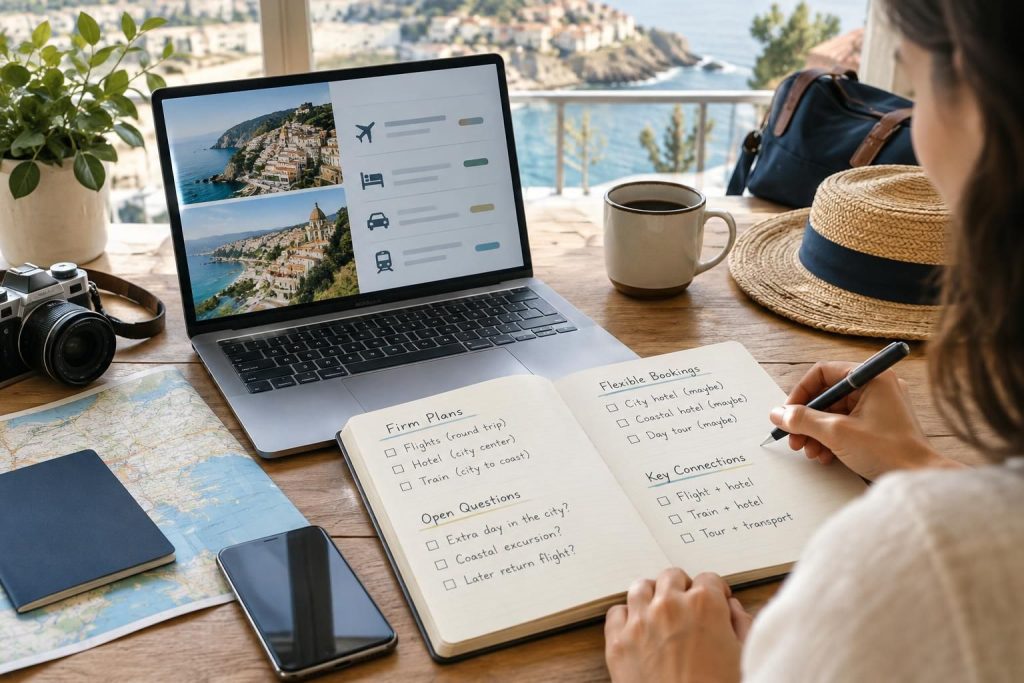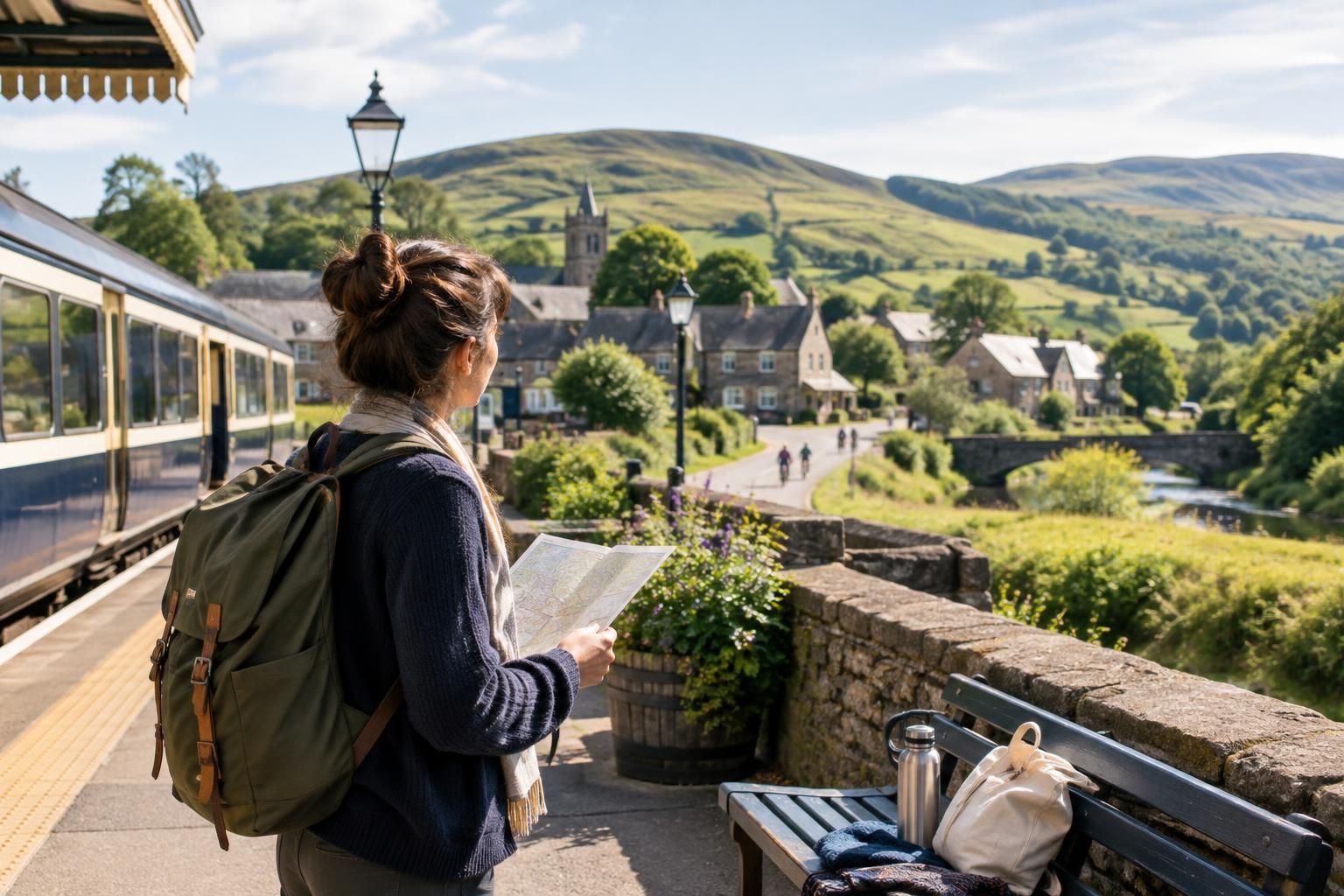
A countryside holiday without a car can offer exactly what many travelers want: fewer decisions, slower mornings and time to notice the landscape rather than navigate through it. The challenge is that a village can look well connected on a map while still being awkward for everyday needs. A successful trip depends less on covering a large area than on choosing a base where accommodation, food, transport and worthwhile outings fit together. Plan those connections first, and leaving the car behind becomes a deliberate way to travel rather than a restriction.
1. Choose a rural hub rather than an isolated retreat
Start with small towns and larger villages that combine countryside access with everyday services. Useful features include a rail station or regional bus connection, a food shop, several meal options and something enjoyable to do directly from your accommodation. A riverside market town, a village beside a walking network or a compact lakeside settlement can provide a better base than a remote cottage.
Judge each candidate by what you could comfortably do without boarding any transport. Could you spend a satisfying morning exploring the settlement, walking to a viewpoint or visiting a local attraction? Having at least one full day available on foot gives the holiday a dependable foundation.
2. Examine the final connection before booking accommodation
The journey to the nearest station is only part of the arrival plan. Look closely at the remaining distance to your accommodation, including hills, road crossings, pavement coverage and the practicality of carrying luggage. A short distance along a narrow road may be less convenient than a longer walk through a town.
Ask the property about realistic arrival options and whether any transfer service needs arranging separately. If you expect to use a taxi, investigate advance booking rather than assuming one will be waiting. Plan the departure connection too, especially if it involves reaching a station early or traveling on a day with fewer services.
3. Build days around usable connections, not nearby map pins
Create a short list of outings, then check how each works as a complete return journey. Note the departure point, changes, final stop and distance from that stop to the actual attraction. A garden ten miles away may be harder to reach than a town farther along a direct rail line.
Consult the relevant operator information for your intended travel dates, including differences between weekdays and weekends. Avoid making the final possible return service the foundation of a relaxed day out. Favor destinations where an earlier return is possible or where you have identified a realistic alternative if your plans change.
4. Match the accommodation to everyday life without a car
Compare properties by their relationship to the village, not just their views. Being close to groceries, evening meals and your main transport stop can matter more than extra outdoor space. For a longer stay, self-catering facilities, somewhere to dry damp clothing and access to laundry may be especially useful.
Think through an ordinary evening before committing. If dinner requires another journey, will that still feel appealing after a full day outside? A central room with simple breakfast facilities may suit you better than a larger cottage beyond walking distance of food. Equally, a well-located apartment can make quiet evenings easy without requiring a restaurant reservation.
5. Make food shopping part of the arrival plan
Without a car boot for supplies, groceries become a small but important planning task. Identify where you could buy breakfast ingredients, picnic food and a simple dinner, then check shopping arrangements near your travel dates. Do not assume that a scenic village has a full grocery shop or that food will be easy to find after a late arrival.
Keep the first shop manageable enough to carry from the stop or town center. A reusable bag and a compact lunch container can help on subsequent days. If grocery delivery is important to your accommodation choice, confirm coverage and delivery arrangements before relying on it rather than treating it as a guaranteed fallback.
6. Mix local days with a few carefully chosen excursions
A car-free countryside break works best when not every day is an expedition. Alternate outings that require transport with days centered on your base. For a five-night stay, you might plan two regional excursions, one substantial local walk and a largely unstructured day for the market, a café and a shorter route.
Give poor-weather days the same practical attention. Identify an indoor option within the settlement or along a straightforward connection. It might be a small museum, a craft session or simply accommodation comfortable enough for reading and cooking. The aim is not to fill every hour, but to avoid needing a complicated journey whenever outdoor plans lose their appeal.
7. Set a transport budget and a sensible exploration radius
Include local fares, luggage storage where relevant and a possible prearranged transfer when comparing costs. Accommodation that appears cheaper can lose its advantage if every meal or outing requires paid transport. Keeping a modest amount aside for an occasional taxi can also make the trip more flexible, provided you have checked that such a service can be arranged.
Finally, accept that some places will belong on another itinerary. Choose a small area you can enjoy thoroughly rather than trying to reproduce a driving route by bus. Download useful maps and journey details, carry only what you can comfortably manage, and let convenient connections shape a smaller, more satisfying holiday.
The strongest car-free countryside plan begins with an ordinary day: how you will arrive, eat, explore and get back. Choose a base that makes those essentials straightforward, then add a few outings with workable return journeys. You do not need access to every viewpoint or village. You need enough variety nearby, a comfortable place to return to and room to enjoy traveling slowly.
AI-assisted evergreen travel guide. Featured image is an AI-generated illustration, not a specific product or booking.