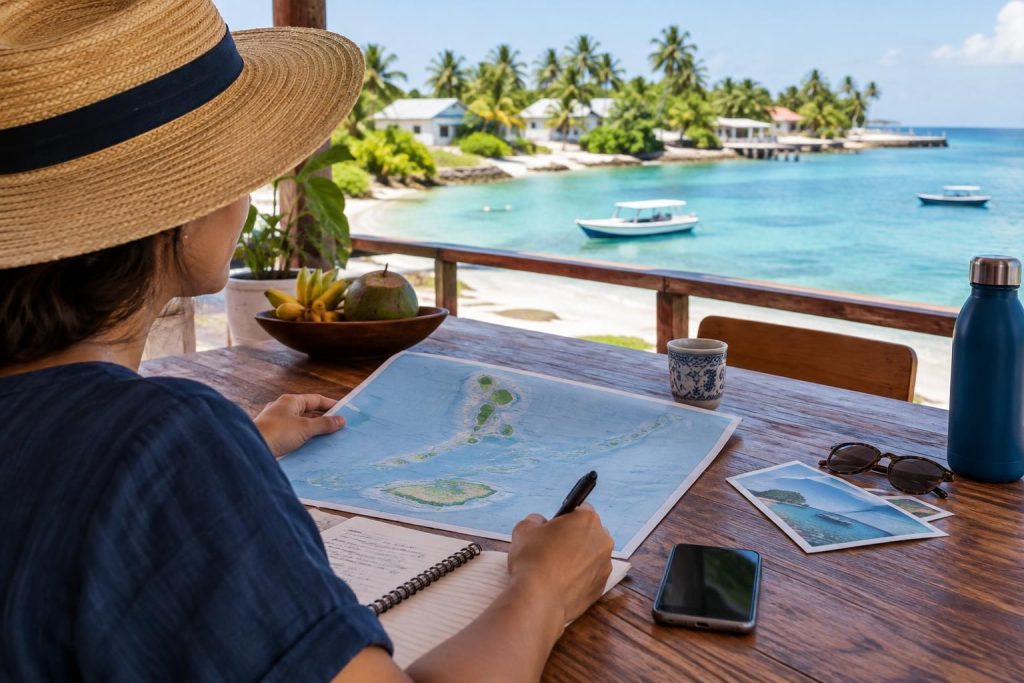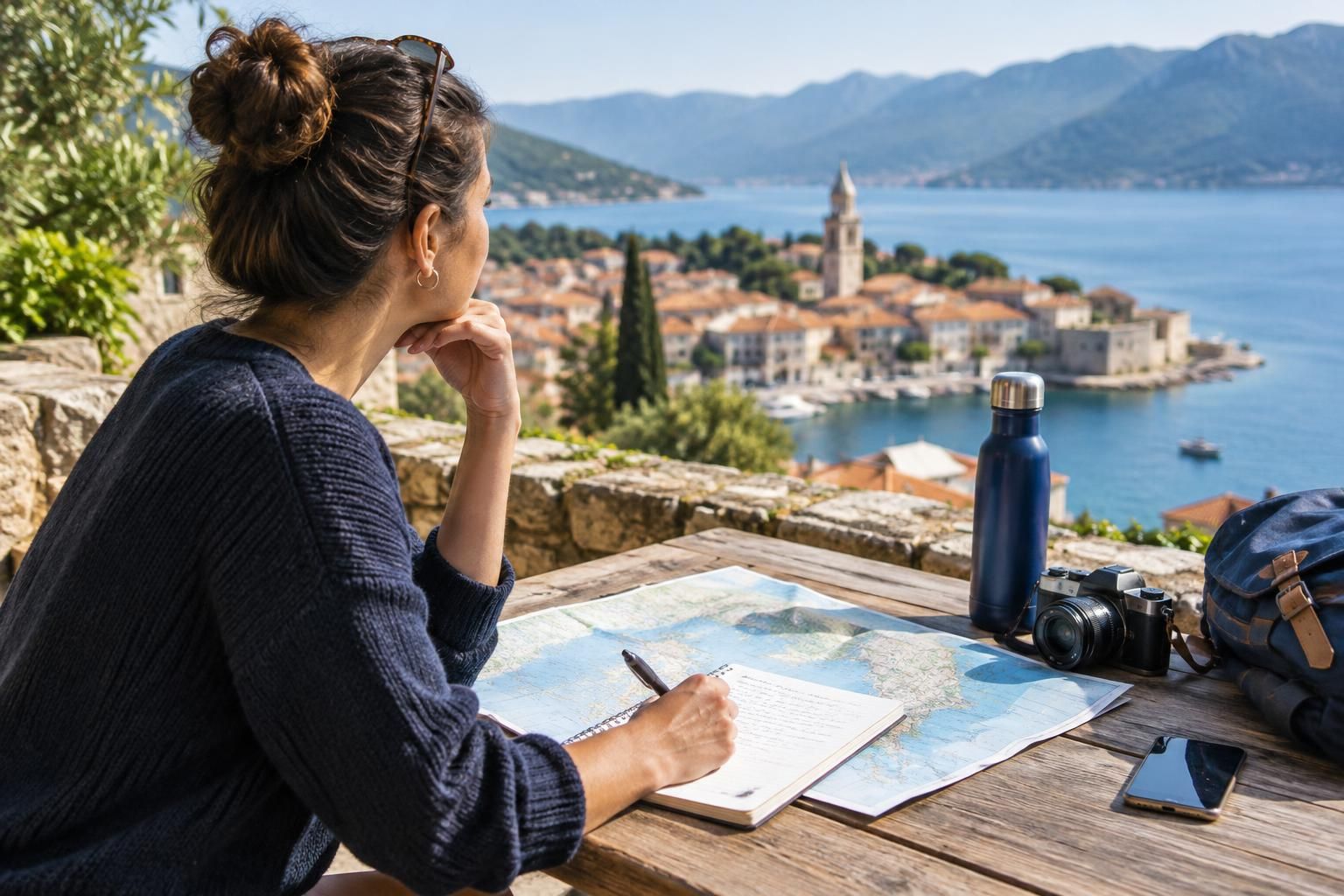
A lakeside town, hilltop village or nearby historic city can look like an obvious addition to a holiday. Yet the distance on a map says little about how the day will feel. A short journey with awkward connections may demand more energy than a longer direct ride, while a famous destination may offer little that is different from your base. The most rewarding day trips have a clear purpose and leave enough time to enjoy being there. Before adding several excursions to your itinerary, compare what each one contributes with the time, effort and flexibility it requires.
Give Each Outing a Clear Reason
Start by finishing this sentence: “We are leaving our base for the day because we want to…” Good answers might include walking beside a lake, visiting a particular archaeological site, exploring a smaller town or spending time in the countryside. “It is nearby” is a weaker reason, especially if your main destination already has plenty you want to see.
Look for contrast rather than collecting place names. During a city stay, a coastal walk may add more variety than another urban shopping district. From a rural base, a compact regional city could offer a welcome change. Choose one main experience for each outing, with anything else treated as optional.
Measure the Whole Journey, Not Just the Main Ride
Estimate travel from your accommodation door to the place where the experience actually begins. Include reaching the station, waiting, changing services, finding the right exit and travelling onward from the arrival point. For a driving excursion, include collecting the car if necessary, parking and walking from the parking area.
For example, a 50-minute train ride can become a much longer journey when the departure station is across town and the attraction is outside the destination. A longer direct service to a walkable centre may be easier. Compare both the outward and return journeys rather than assuming they will be equally convenient.
Build the Day Around Usable Time
Sketch a loose timeline before committing. Choose a comfortable departure window, estimate when you could begin your main activity and work backwards from a sensible return. Then allow time for lunch, orientation and pauses. What remains is your usable sightseeing time, not the full interval between leaving and returning.
If the purpose is a leisurely village visit, a short afternoon might be enough. A large heritage site or an ambitious walk needs a different allowance. Avoid using the earliest possible departure and latest possible return to make an otherwise cramped plan appear workable. Those extremes can remain options rather than becoming requirements.
Check How Much Freedom You Will Have
Some excursions are easy to shorten or extend; others depend on a single return connection, a timed admission or a fixed tour departure. Neither format is automatically better, but each creates a different kind of day. A structured outing can simplify logistics, while an independent visit can offer more control over pace.
Before booking, identify the fixed points and check transport arrangements and admission conditions for your intended date. Ask what happens if lunch takes longer or you decide to skip the final stop. Where return options are limited, leave a meaningful margin rather than planning around the tightest possible connection.
Compare the Full Cost With the Experience
Add up more than the headline fare. Depending on the outing, costs may include local transfers, fuel, parking, admission, equipment hire, luggage storage and meals away from your accommodation. Compare independent travel with an organized excursion by looking at what each includes and how much time each leaves at the destination.
Also consider what you are giving up at your base. A day trip that duplicates scenery or activities already within easy reach may be poor value even if transport is inexpensive. Conversely, a more expensive excursion can make sense when it delivers a distinctive experience that matters to you.
Match the Outing to Your Energy and Companions
Describe the physical shape of the day: seated travel, standing, stairs, walking surfaces, exposure to weather and opportunities to rest. Two outings with identical travel times can feel completely different. A journey followed by a waterfront lunch is not equivalent to a journey followed by several hours on steep streets.
Discuss expectations before departure. One person may imagine a long hike while another expects a short stroll and a café. Agree on the main activity, likely walking effort and an acceptable return window. If interests diverge, consider separate excursions or a shared destination where splitting up briefly is practical.
Shortlist More Than You Commit To
Keep a small menu of excursions rather than filling every spare day. You might shortlist one fair-weather outing, one mostly indoor option and one low-effort trip. Record the main reason to go, approximate door-to-door effort, essential reservations and any date-sensitive details that need checking.
Book ahead where a priority experience requires it, but leave other decisions open when practical. After a demanding arrival or several busy days, staying local may be the better choice. If an excursion needs rushed sightseeing and an exhausting return to feel worthwhile, consider an overnight stay—or save it for another trip.
The best day trip is not necessarily the closest, cheapest or most famous. It is the one that adds something you genuinely want, with a journey and pace that suit your holiday. Choose a clear purpose, calculate the whole effort and protect enough unhurried time at the destination. A well-chosen excursion should enrich your stay, not turn your base into somewhere you only sleep.
AI-assisted evergreen travel guide. Featured image is an AI-generated illustration, not a specific product or booking.