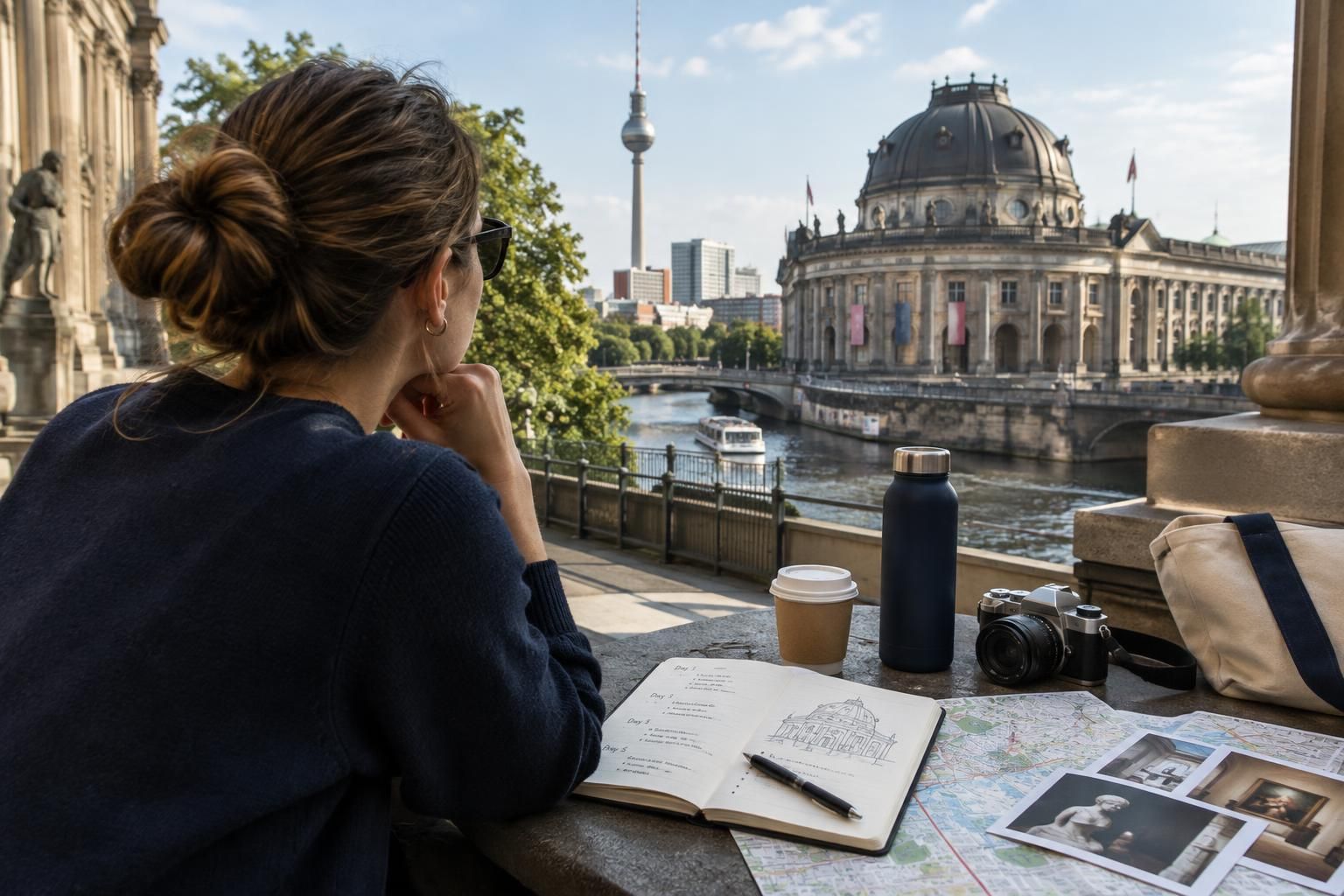
Berlin rewards curiosity, but a museum-focused visit can quickly become an endurance exercise. Art collections, archaeological objects, design, Cold War history and memorial sites all compete for attention, often across a much larger city than first-time visitors expect. The answer is not a longer checklist. It is a trip built around a few clear interests, manageable journeys and time outside between visits. Five nights gives you room for several substantial cultural experiences without making every day an indoor marathon. Start with one main visit per day, then use neighborhoods, parks and meals to give the trip variety.
Choose a theme before choosing individual museums
Begin by identifying your two strongest interests. Ancient civilizations and European painting suggest a different trip from photography and twentieth-century history. Berlin can accommodate both, but treating every collection as equally important makes planning harder. Give each traveler one essential choice, then build a shortlist of three or four main visits for the whole stay.
Distinguish between looking and reading. A painting gallery may let you move intuitively, while a history exhibition can demand sustained attention to documents, captions and chronology. Avoid placing two text-heavy visits on the same day. If interests differ within your group, a separate morning followed by a shared lunch can work better than negotiating every room together.
Pick a base for the journeys you will actually make
Mitte is a logical starting point if your priorities cluster around Museum Island and central historic sights. Staying around Charlottenburg can suit a trip that combines western Berlin’s cultural attractions with residential streets and evenings near your accommodation. Kreuzberg or Prenzlauer Berg may appeal if neighborhood meals and walks matter as much as proximity to collections.
Compare accommodation using door-to-door journeys rather than a pin marked city center. A room near a useful rail station can be more convenient than one that looks central but requires repeated changes. Check the walk to the station, any accessibility requirements and whether the room faces a busy street. After several hours in exhibitions, a comfortable place to rest has real value.
Group visits geographically, but leave breathing space
Museum Island provides a natural geographic focus, although individual buildings, collections and access arrangements need checking when you plan. Resist assuming that neighboring museums belong on the same day. Their proximity saves travel time; it does not reduce the attention each collection requires. Choose one principal visit and keep any second stop genuinely optional.
Apply the same approach elsewhere. Combine a western Berlin museum with a walk around Charlottenburg, or pair a visit near the Kulturforum with time outdoors in the Tiergarten. Check actual walking distances before committing. Berlin’s broad roads and large blocks can make apparently adjacent sights feel farther apart, especially when you have already spent the morning standing.
Build a five-night itinerary with different daily rhythms
Keep arrival day light: settle in, take a neighborhood walk and choose dinner nearby. Use the first full day for your highest-priority collection, when concentration is fresh. On the second, switch subject and setting, perhaps moving from art to history and adding a substantial outdoor break. This creates contrast rather than a sequence of similar gallery days.
Make the third full day deliberately flexible. It can hold a smaller exhibition, a bookshop browse or a neighborhood such as Kreuzberg, with no obligation to add another major attraction. Reserve the fourth for your remaining essential visit. On departure day, avoid relying on a museum slot unless your onward journey leaves a comfortable margin for collecting luggage and reaching the station or airport.
Treat tickets and collection access as separate decisions
Before booking, check which collections are accessible during your dates, whether a timed reservation is needed and whether a temporary exhibition requires a separate ticket. A famous institution’s name does not guarantee that the particular objects you want to see will be on display. Build your plan around the visit you can actually make, with a substitute that interests you.
Compare any multi-museum pass against your realistic shortlist, not an ambitious wish list. Consider whether it covers the exhibitions you want and whether reservations still need arranging. Individual tickets may suit a slower trip better. Keep confirmations available offline, and check bag restrictions, cloakroom arrangements and re-entry conditions so that practical details do not consume your visit.
Plan for attention, comfort and emotional space
Pack a small day bag, comfortable footwear and layers that work both outdoors and in galleries. Check whether larger bags must be stored before bringing luggage to a museum. Carry what you need for the gaps between visits, but avoid making every walk feel like a transfer with baggage. Plan a proper meal break rather than assuming a quick snack will sustain a full cultural day.
For difficult historical subjects, leave unstructured time afterward. A memorial or exhibition about persecution and war need not be followed immediately by entertainment or another demanding visit. Within collections, give yourself permission to select a few rooms, sit down and leave before exhaustion. Remembering several works clearly is often more rewarding than barely registering hundreds.
A satisfying museum trip to Berlin balances depth with contrast. Choose a small number of meaningful visits, stay somewhere that simplifies your actual journeys and protect time for the city beyond its collections. With one main cultural commitment each day and room to change pace, five nights can feel rich rather than rushed.
AI-assisted evergreen travel guide. Featured image is an AI-generated illustration, not a specific product or booking.