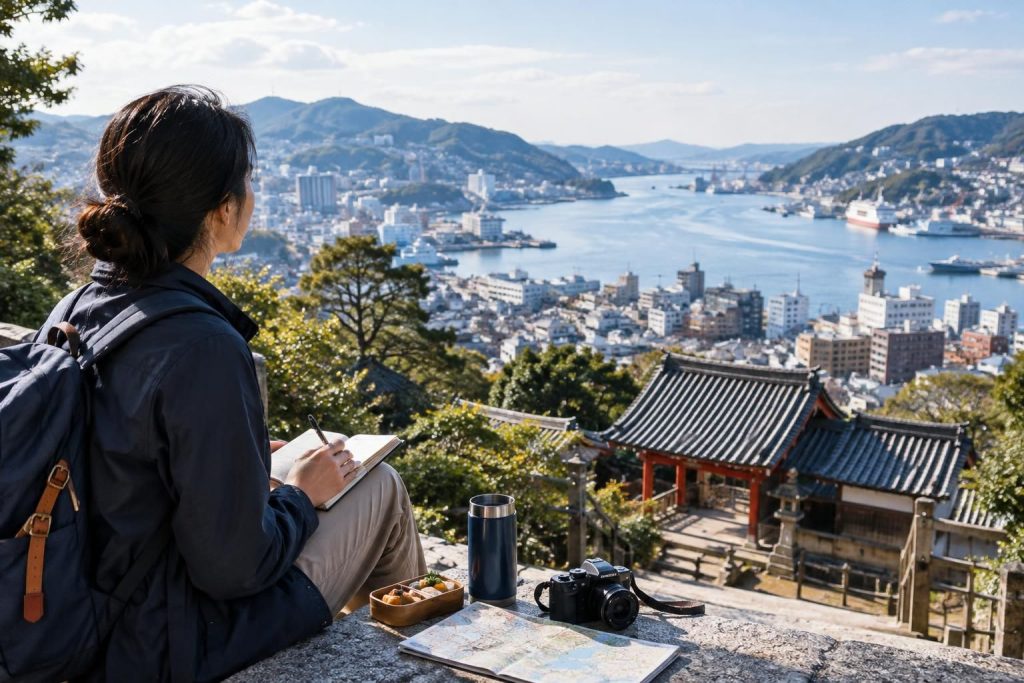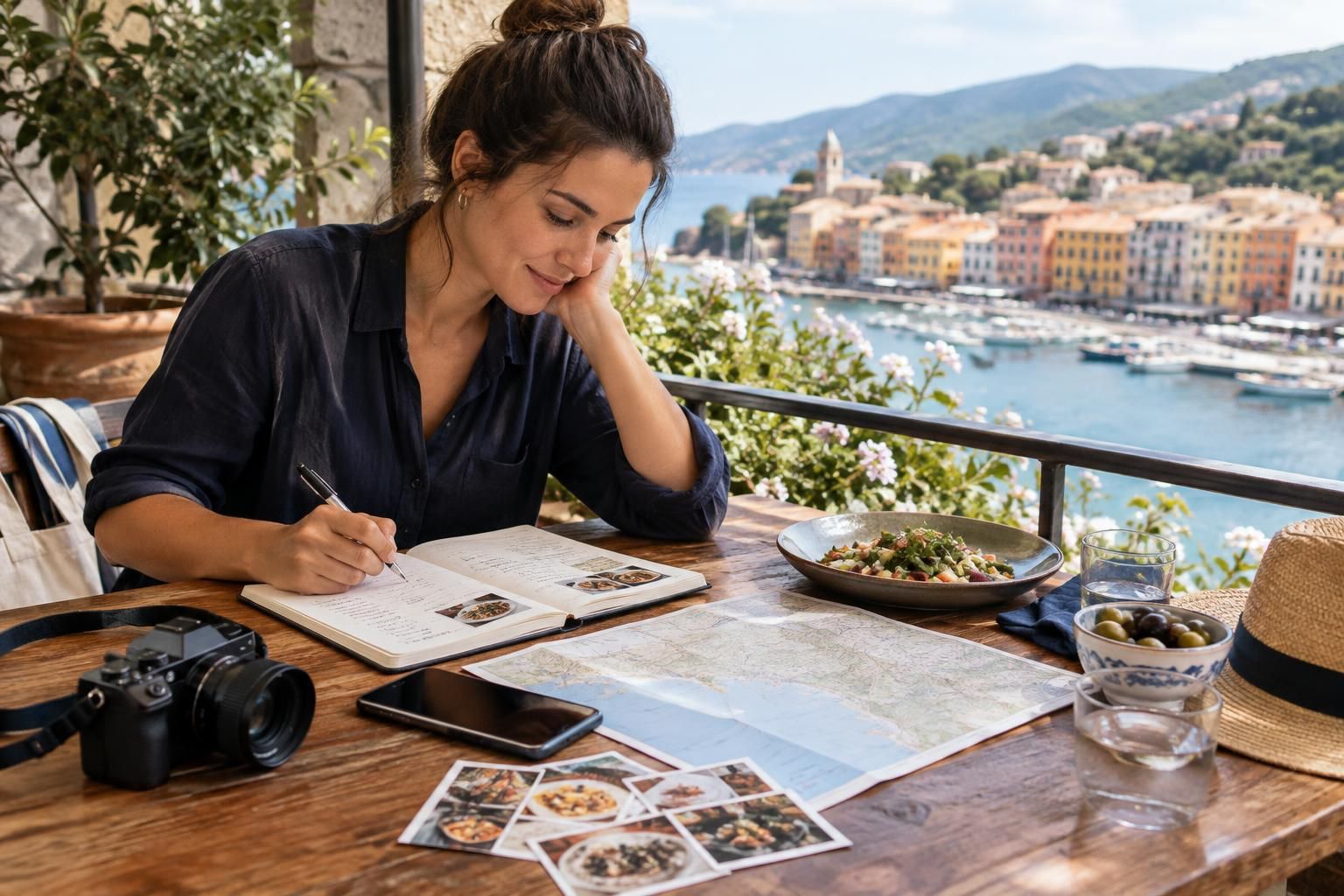
Food can give a trip its shape: a market morning, a regional cooking class or a long lunch worth traveling for. But turning every meal into an appointment can make a holiday feel like a reservation-management exercise. The most useful food itinerary has a few clear priorities and plenty of ordinary eating around them. Start with what you want to understand or taste, then build a practical plan that accounts for geography, appetite, cost and the people traveling with you.
Choose a food theme rather than a restaurant checklist
Define two or three interests before collecting places to eat. You might focus on regional bread, coastal cooking and one hands-on lesson. Another trip could explore neighborhood markets, traditional sweets and everyday lunches. These themes help you judge suggestions without feeling obliged to visit every celebrated dining room.
Give each interest a suitable format. A market visit might suit an interest in ingredients, while a cooking class offers more participation than another sit-down meal. If one particular dish matters, identify a couple of possible places rather than building an entire day around a single kitchen. The aim is a coherent experience, not a completed list.
Choose a base that makes everyday eating easy
Before choosing accommodation, map the meals you are likely to repeat: breakfast, a simple evening meal and somewhere to buy snacks. A base with several plausible options nearby can be more useful than one beside your most anticipated restaurant. Consider the actual route, including hills, crossings and the journey back after dinner, rather than distance alone.
Accommodation facilities also affect the rhythm. A refrigerator and basic utensils can support fruit, leftovers or a quiet breakfast without turning the holiday into a self-catering project. If you prefer not to prepare anything, prioritize convenient casual options instead. For a rural stay, think through how often you want to drive or arrange transport just to eat.
Reserve the meals that genuinely anchor the trip
Separate essential experiences from appealing possibilities. An essential might be a particular cooking workshop or a special dinner for a celebration. Reserve selectively once you understand the provider's terms, timing and location. Keep less important meals as options, especially on arrival days or days involving a transfer.
As a starting point, plan no more than one substantial food commitment per day, and leave some days without any. A long lunch can make an elaborate dinner feel like homework. Build breathing room around fixed meals so a delayed outing does not turn into a rushed journey across town. Note cancellation deadlines alongside the reservation, not in a separate list you may forget.
Build food days around neighborhoods and appetite
Group eating opportunities with things you already want to see. A bakery breakfast, nearby museum and neighborhood lunch form a more comfortable day than three highly rated stops in distant districts. When comparing routes, include the time spent finding the entrance, waiting, ordering and returning, not just the journey shown on a map.
Vary the scale of meals as deliberately as the activities. Follow a tasting menu or extended lunch with an uncommitted evening, and avoid stacking a food tour immediately before dinner. Keep a simple snack available for moments when sightseeing and appetite fall out of step. If a market picnic appeals, account for carrying the food, finding a suitable place to sit and disposing of packaging.
Agree on spending and food preferences before booking
Set a broad daily food budget, then decide which experiences deserve a larger share. Include drinks, transport to distant venues, booking charges where applicable and smaller purchases that accumulate throughout the day. One memorable meal balanced with simpler breakfasts and lunches may suit you better than trying to make every meal an occasion.
For shared trips, discuss dislikes, dietary requirements, alcohol preferences and tolerance for long meals. Check menus and ask providers specific questions rather than assuming a food tour or set menu can accommodate everyone. Where an allergy is involved, seek clear information directly from the provider; a translated phrase alone does not establish suitability. Leave room for separate choices when one person's priority is another person's compromise.
Keep a short, usable list for spontaneous meals
Save a handful of options near each main sightseeing area rather than maintaining a huge citywide spreadsheet. For each, note why it interests you, its general meal style and whether it requires advance planning. Include different formats, such as a seated lunch, a takeaway option and somewhere suitable for a lighter meal. Check relevant details close to the visit because menus and operating arrangements can change.
Use flexible meals to respond to the day. You may want to return to a neighborhood you enjoyed, follow a local recommendation or eat simply after a tiring excursion. Before committing to an unfamiliar option, look at the displayed menu and prices and clarify anything important. Spontaneity works best when it is a choice, not the result of becoming hungry with no practical options nearby.
A satisfying food trip does not require a remarkable meal three times a day. Choose a few experiences that reflect your interests, stay somewhere that makes ordinary meals convenient and protect enough free time to follow your appetite. You will have a clear reason for the plans you make, without losing the pleasure of deciding what sounds good when the moment arrives.
AI-assisted evergreen travel guide. Featured image is an AI-generated illustration, not a specific product or booking.