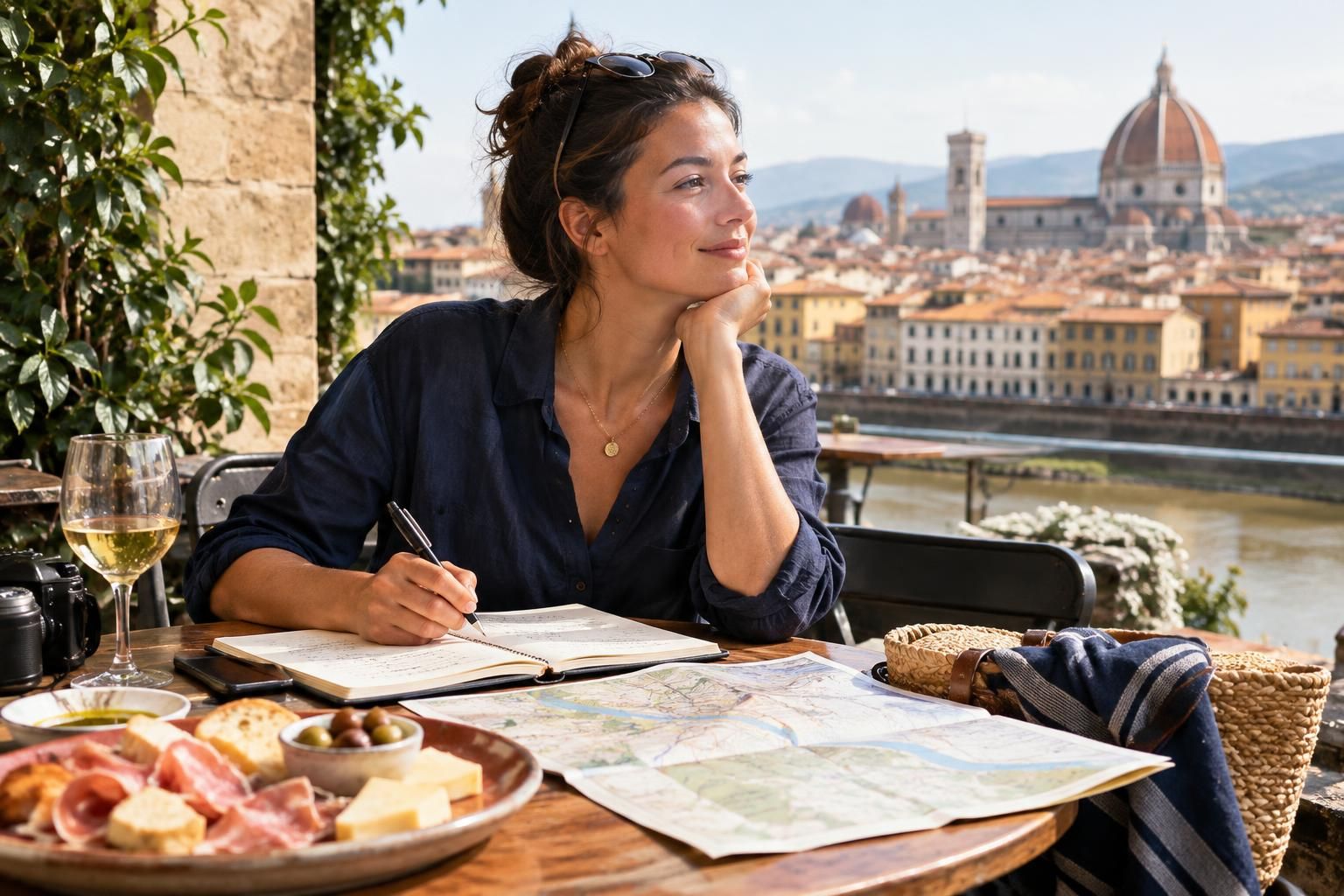
Food can give a trip its shape: a neighborhood bakery in the morning, a market visit between museums, or a long lunch that becomes the main event. But planning every meal can make travel feel like a sequence of appointments. The most useful approach is to decide which food experiences deserve advance planning and leave space around them. Whether you want to explore regional cooking or simply eat well while sightseeing, a few deliberate choices can create a satisfying itinerary without making each day revolve around finding the next table.
Choose the food experiences that matter most
Start with experiences rather than a long list of restaurants. Ask what you actually want from the trip: an introduction to regional dishes, time in food markets, a cooking class, traditional breakfasts or one elaborate dinner. Choose two or three priorities for a short break. This makes it easier to distinguish a meaningful experience from a place that merely looks appealing.
Translate those priorities into different kinds of stops. A regional-food theme might include a casual lunch, a market visit and a more considered evening meal. A baking-focused trip could involve an early bakery stop and a hands-on class. Variety matters more than quantity: several similar tasting menus may reveal less about a destination than a mix of everyday meals and one special occasion.
Use a few anchor meals to shape the itinerary
An anchor meal is one you would arrange part of the day around. It might be a cooking workshop, a celebratory dinner or lunch somewhere outside your main sightseeing area. Put these experiences into the itinerary first, then check whether their locations and timing work with the rest of the trip. Confirm reservation arrangements and cancellation terms directly before committing.
For a three-day break, one or two anchor experiences may be enough. Keep the meals immediately around them simple and flexible. A substantial lunch pairs naturally with an unplanned evening rather than another lengthy dining commitment. Avoid attaching a prepaid experience too closely to your arrival: transfers, settling in and travel fatigue can make a fixed appointment more demanding than it appears.
Connect meals with neighborhoods, not just landmarks
Group food possibilities by area so that eating supports the day's route. For each neighborhood you expect to visit, note a few different options: somewhere for a quick meal, somewhere to sit down and perhaps a bakery or market. These are possibilities, not commitments. You can choose among them according to appetite, weather and how long the sightseeing takes.
Look at the journey as well as the map distance. A restaurant across town may require multiple transport connections, while a less conspicuous option fits comfortably between two planned stops. Reserve a special journey for a meal that genuinely matters to you. Otherwise, avoid repeatedly crossing the destination just to follow a food list.
Leave room for local meal rhythms and your own appetite
Meal timing and service styles vary between destinations and individual businesses. Before building a tightly timed day, check when your chosen places serve the meal you want and whether reservations are needed. Do not assume that a late lunch, early dinner or all-day menu will be available wherever you happen to stop.
Keep your own habits in the plan, too. If you prefer eating soon after waking, identify a breakfast option rather than relying on a leisurely search. If a long lunch leaves you uninterested in dinner, allow that to happen. Carrying a modest snack can also keep a delayed meal from dictating the whole afternoon. The goal is to enjoy food, not meet a daily quota of dishes.
Budget for the whole experience
Set aside money for the experiences you value most, then give ordinary meals a realistic allowance. Include the less memorable costs: drinks, snacks, transport to an outlying venue and any charges disclosed during booking. Check what a class or tasting includes rather than assuming it replaces a full meal.
Balance expensive experiences with simpler meals you would enjoy anyway. A picnic, bakery breakfast or casual lunch can provide contrast rather than feel like a compromise. If accommodation has cooking facilities, decide whether you genuinely want to use them. Buying ingredients can be enjoyable, but a kitchen offers little value if your itinerary leaves no time or inclination to cook.
Prepare a shortlist that still allows discovery
Keep a compact food note with your anchor bookings, a few neighborhood options and any dietary requirements you need to communicate. Save essential details offline, including booking confirmations and location information. For dietary needs, ask specific questions directly rather than treating a dish name or broad menu description as sufficient confirmation.
Leave at least some meals undecided. When a place catches your attention, consider the menu, setting, cost and fit with your day instead of feeling obliged to follow the shortlist. Equally, give yourself permission to choose something familiar when tired. A useful plan reduces decision-making pressure; it should not turn every meal into a test of how adventurously you travel.
A rewarding food-focused trip needs a few strong priorities, not a reservation for every appetite. Plan the experiences that would be disappointing to miss, organize everyday options around your route and leave enough space to respond to what you find. That balance lets food enrich the journey without taking over the entire itinerary.
AI-assisted evergreen travel guide. Featured image is an AI-generated illustration, not a specific product or booking.