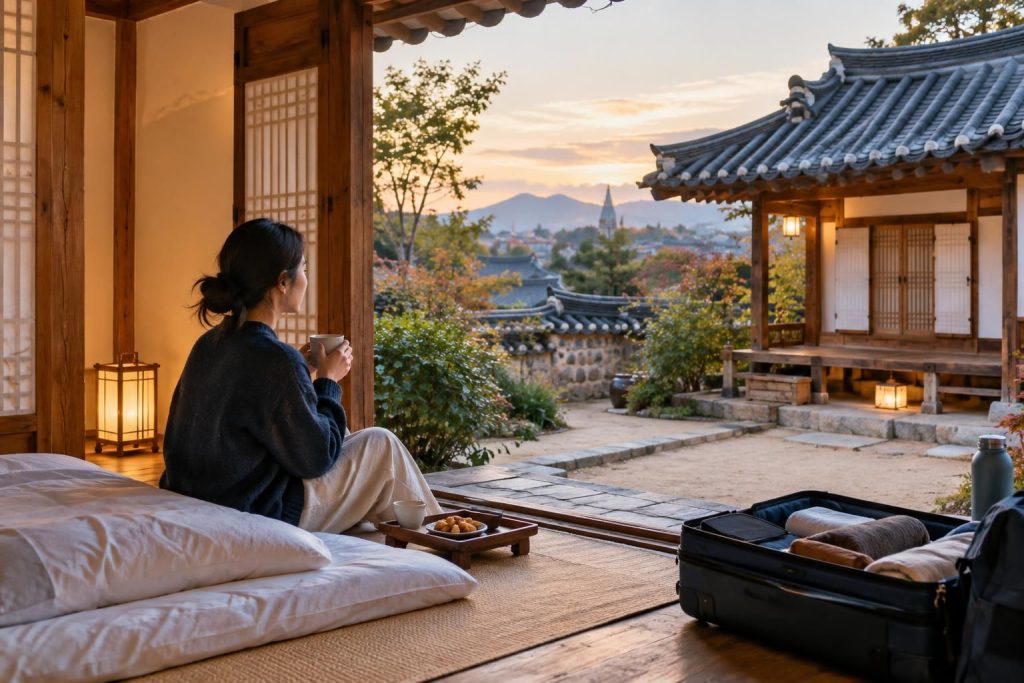
A popular destination can still make a rewarding holiday if you prefer quiet streets, unhurried meals and space to pause. The aim is not to find a secret version of a famous place or eliminate every queue. It is to decide where the busiest experiences are worth your time, then keep the rest of the trip from feeling equally intense. A few choices about accommodation, timing and daily routes can help you balance landmark visits with calmer moments.
Decide which kinds of bustle you actually want to avoid
Crowds are not a single problem. You might enjoy a lively market but dislike standing in a slow queue. A packed waterfront may feel manageable, while a noisy restaurant leaves you exhausted. Before choosing dates or accommodation, identify your main friction points: noise, close quarters, waiting, busy transport or difficulty finding somewhere to sit.
Use those preferences to set priorities. If queues bother you most, focus on entry arrangements and fewer must-see attractions. If noise is the issue, give more attention to your accommodation setting and evening plans. Choose two or three experiences you would willingly tolerate some bustle for, rather than treating every celebrated sight as compulsory.
Compare travel periods without assuming off-season means empty
A destination's quieter periods can come with trade-offs, including shorter daylight, less predictable weather or fewer visitor services. School holidays, festivals, conferences and local events can also affect particular dates. When comparing possible travel periods, consider these factors alongside your tolerance for crowds rather than relying on a broad label such as low season.
Think about what would make the trip worthwhile if some activities were unavailable. A coastal break built around swimming has different needs from one focused on walks and architecture. If your dates are fixed, shift your attention to the shape of each day. A busy travel period does not require an itinerary made entirely of the busiest places.
Choose a base that offers an easy retreat
Staying beside a major landmark can be convenient, but it may also put visitor activity outside your door. Compare that option with a base on a less prominent street or in a nearby district. Look at the route back from your main activities, not simply the distance on a map: a quiet room is less useful if reaching it requires a tiring journey.
Consider the building and room position as well as the neighborhood. Ask about rooms facing entertainment areas, shared courtyards, lifts or busy roads, without assuming any room will be silent. Somewhere comfortable to sit can also matter. Returning for an hour feels more worthwhile when your accommodation offers a genuine place to unwind.
Give major sights a defined place in the day
Build each sightseeing day around one high-priority attraction, then arrange lower-pressure activities around it. Check the attraction's own entry arrangements when planning, including whether timed admission is offered and what it covers. A reservation may organize entry without removing security checks, internal queues or busy galleries.
Avoid treating early morning as a universal solution. Some places attract many visitors at opening, while others suit a later visit; transport and your own sleep preferences matter too. Choose a workable time, allow room afterward and decide what you most want to see inside. A focused visit can be more satisfying than trying to cover every room while your patience runs out.
Build quieter routes, not just quieter destinations
The path between attractions shapes your experience. Rather than linking every stop along the main shopping street or waterfront promenade, look for parallel streets, gardens or residential edges that form a sensible route. Treat these as options to assess on arrival, since a less prominent route is not automatically accessible, pleasant or appropriate for visitors.
Pair a headline sight with a contrasting experience. After a large museum, choose a small garden rather than another major indoor attraction. Follow a busy market with a relaxed meal away from its main entrance. Keep the geographical spread compact: crossing the city repeatedly to escape crowds can replace one source of stress with another.
Prepare alternatives and agree when to change course
For each busy day, keep one alternative that does not depend on the same attraction or district. Useful options might include a neighborhood architecture walk, a smaller collection related to your interests or time reading in your accommodation. Note any practical constraints beforehand so the alternative is usable rather than just an appealing name on a list.
If you are traveling with others, agree on a simple change-of-plan rule. You might leave a queue when the wait no longer feels worthwhile, or split up when one person wants to stay. Make any meeting arrangement clear. Money already spent can make changing plans feel difficult, but it does not oblige you to spend the rest of the day feeling uncomfortable.
A quieter trip is less about avoiding famous destinations than being selective within them. Keep the sights that genuinely interest you, choose a base you can comfortably return to and give busy experiences some breathing space. You may still encounter queues and lively streets, but they need not define the whole holiday.
AI-assisted evergreen travel guide. Featured image is an AI-generated illustration, not a specific product or booking.