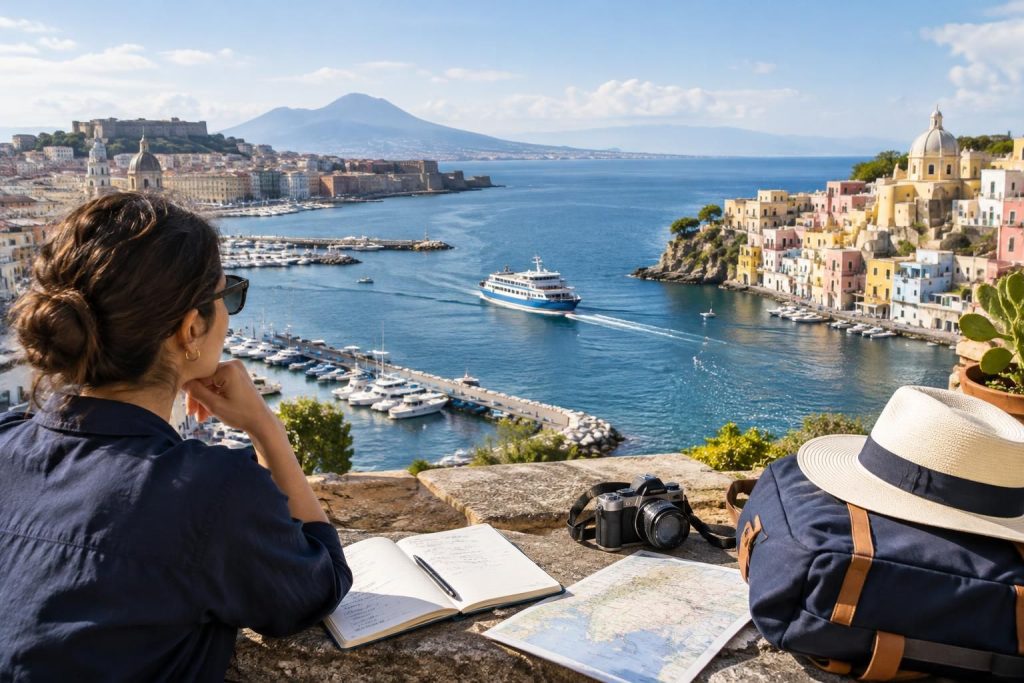
A destination can feel very different when darkness arrives before your sightseeing day is finished. A scenic journey may happen behind a black window, a late lunch can use up the best light, and an ambitious afternoon walk may become an evening outing. Yet shorter days also offer a distinctive rhythm: focused outdoor time, longer meals and evenings that feel like part of the holiday rather than leftover hours. The key is to plan around usable light instead of treating every hour between breakfast and bedtime as interchangeable.
1. Identify which experiences actually need daylight
Start by separating your wish list into daylight-dependent experiences and activities that work after dark. Coastal viewpoints, landscape photography, gardens and countryside excursions generally benefit from natural light. A cooking class, performance or indoor exhibition may be easier to place elsewhere, subject to its operating times. Some experiences belong in both groups: an old town can reward a daytime architecture walk and a separate evening stroll.
Give each day one main daylight priority rather than filling the entire light window with essential stops. For example, choose a waterfront walk as the anchor, with a nearby neighborhood as an optional addition. If cloud, a slow breakfast or an unexpectedly absorbing visit changes your timing, you still get the experience that mattered most.
2. Plan around the light at your destination, not your habits at home
Before committing to an itinerary, check sunrise and sunset estimates for your destination and travel dates. Latitude and season can make familiar daily routines a poor guide. Treat these estimates as planning boundaries, not a promise of bright conditions: buildings, hills and cloud can affect how much useful light you have in a particular place.
Work backward from your most important outdoor activity. If you want an unhurried walk and time to return before darkness, include the journey to the starting point, breaks and the return connection. Do not assume that arriving at a viewpoint just before sunset leaves enough time to explore. Travelers who prefer slow mornings can still enjoy a short-day trip, but may need fewer outdoor commitments or accommodation closer to them.
3. Choose a base that protects your daylight time
Compare accommodation by the effort required to begin and end your planned days. A distant property might offer more space, but repeated transfers can consume a meaningful share of a short daylight window. Map the actual routes to your main outings rather than relying only on distance from a city center. A base near a useful transport connection may serve you better than one near an attraction you will visit only once.
Think about evenings as well. Nearby meal options, a comfortable place to sit and a straightforward route back can make a longer night more enjoyable. If you expect to spend substantial time at your accommodation, consider whether the room has seating beyond the bed and enough space for your group to relax. These details become more valuable when sightseeing naturally ends earlier.
4. Keep scenic travel and practical transfers separate
Decide whether each journey is transport or part of the experience. A rail route chosen for mountain views deserves a daylight slot; an ordinary transfer may be a better candidate for darker hours. This distinction prevents a common disappointment: carefully choosing a scenic route, then traveling it when there is little to see outside.
Do not automatically push every practical journey into the evening, however. An unfamiliar arrival, a complicated interchange or a rural transfer may be easier to manage in daylight. Weigh the value of the view against navigation effort and arrival logistics. Check available connections for your dates before building a day around them, and leave a buffer rather than planning to reach the departure point at the last possible moment.
5. Give the evening its own purpose
A satisfying evening does not have to mean nightlife or another major attraction. It might be a leisurely dinner, a film, a craft session or time to read somewhere comfortable. Choose options that suit your interests and energy rather than trying to extend daytime sightseeing indefinitely. Confirm that any venue or activity you are counting on operates at the relevant time.
Vary the rhythm across the trip. After a full outdoor day, leave the evening simple. After a shorter outing, consider a performance or a more involved meal. If traveling with others, agree that not every evening needs to be shared from beginning to end. One person can enjoy quiet time while another goes out, without either choice feeling like a failed group plan.
6. Build a realistic short-day template
Use a sequence rather than a tightly timed checklist: breakfast, travel to the main outdoor experience, a flexible meal, one optional nearby stop, then an evening activity or downtime. Keep an indoor alternative in the same general area so that poor weather does not trigger a long cross-town detour. Packing an extra attraction into every gap usually creates more pressure than value.
For a coastal town stay, that could mean a morning headland walk, lunch back in town and an afternoon gallery visit if it fits, followed by dinner near your accommodation. Prepare for the longer evening with charged devices and any layers your outing requires. Downloading the return route can also reduce dependence on finding a connection when you are ready to head back.
Planning for short daylight hours is mainly an exercise in choosing what deserves the light. Protect your most important outdoor experience, account for transfers and give evenings a role beyond waiting for tomorrow. A smaller daytime itinerary can still produce a full, varied trip when the pace matches the season.
AI-assisted evergreen travel guide. Featured image is an AI-generated illustration, not a specific product or booking.