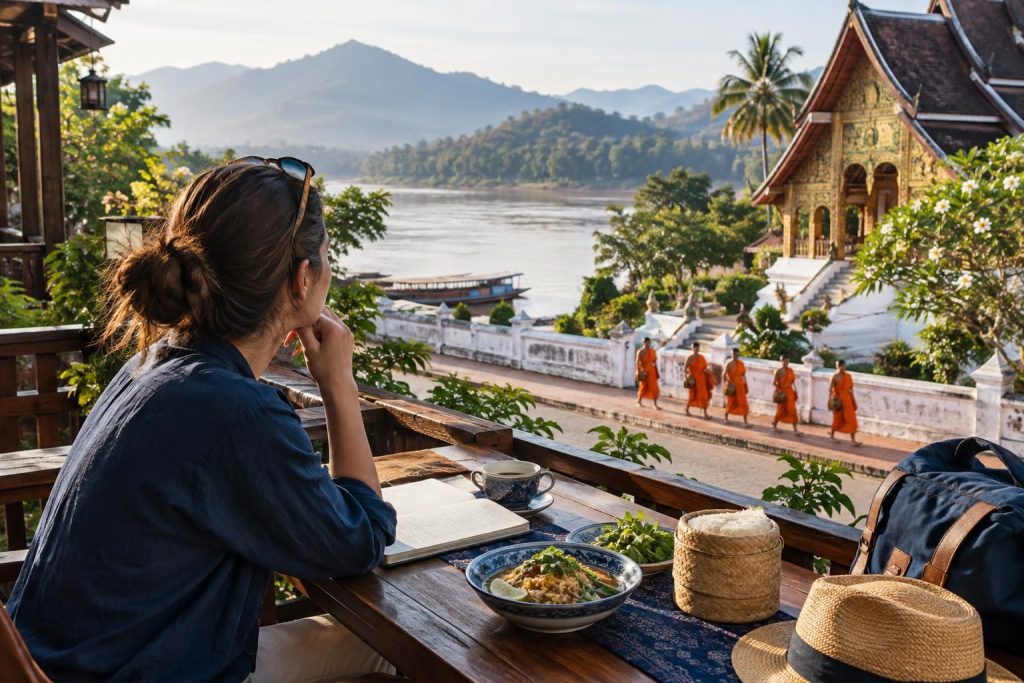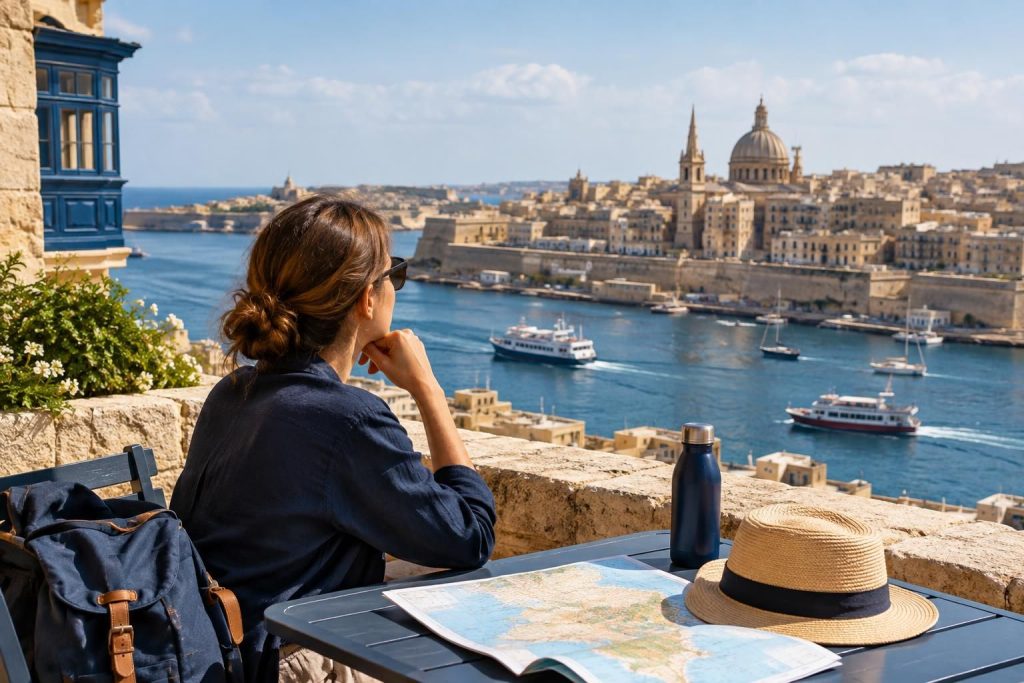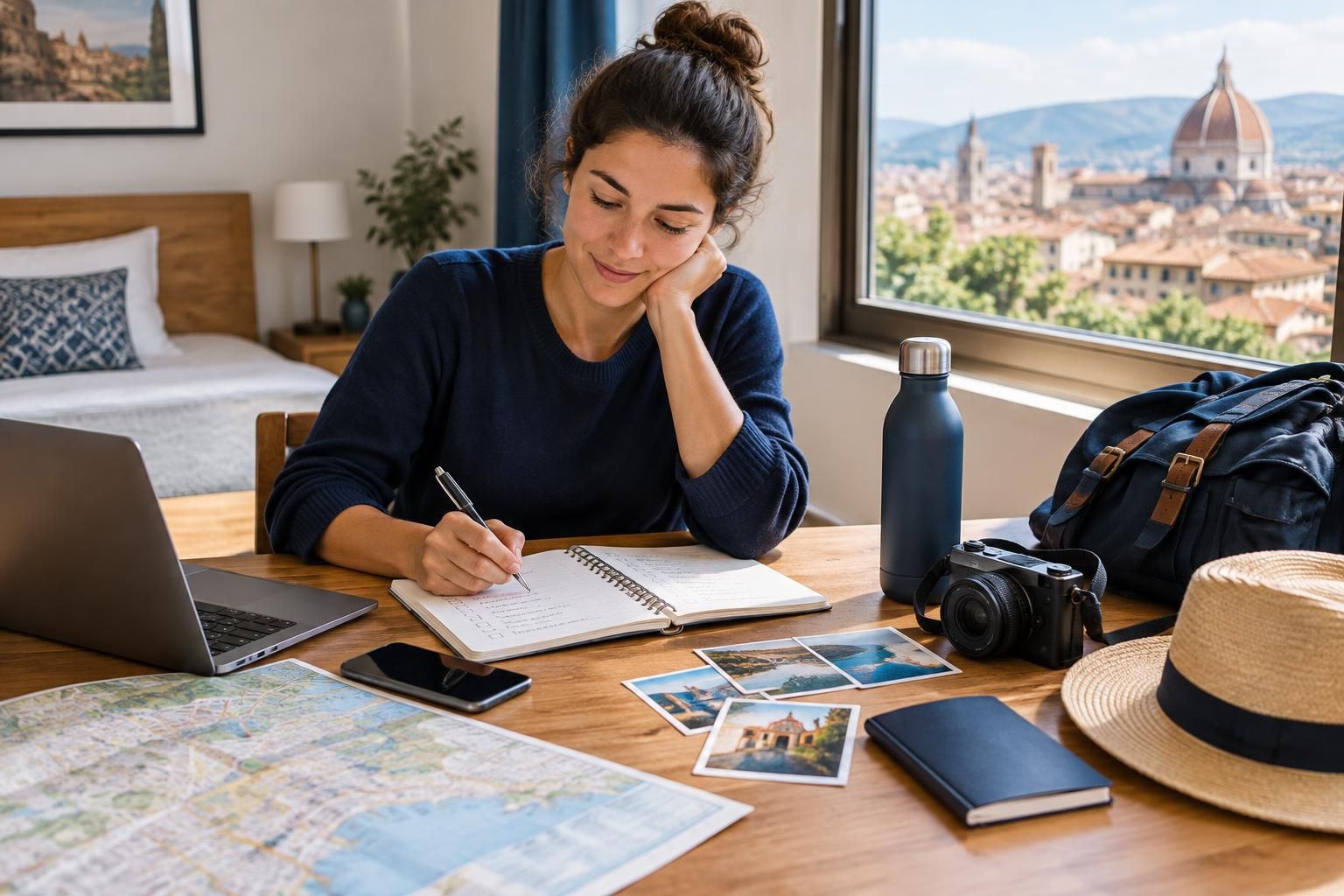
A first solo trip does not have to involve a distant destination, a long itinerary or a dramatic leap outside your comfort zone. Its main difference is simpler: you make the decisions, manage the logistics and choose how much company you want. A short, thoughtfully planned break can help you discover what you enjoy about traveling independently without making every detail unfamiliar. Start with a trip that is easy to understand, then add the experiences that make going alone worthwhile.
Choose a manageable challenge, not a proving ground
Before choosing a destination, decide what you want to learn from traveling alone. Perhaps you want to become comfortable eating out, spend uninterrupted time in museums or make decisions without negotiating. Pick one main aim. You do not also need to navigate a complicated transport system, change accommodation repeatedly and try an unfamiliar activity every day.
For a first attempt, consider three or four nights in one place, or a shorter break closer to home. Look for a destination where your preferred activities are reasonably clustered and the arrival process is understandable. A familiar language or a straightforward rail connection may reduce the mental effort. Familiarity is a useful planning tool, not evidence that the trip is insufficiently adventurous.
Compare costs for one person rather than dividing by two
Solo travel changes the arithmetic. A room, taxi journey or private excursion may cost much the same whether one person or two uses it. Build your budget from the actual options you would book alone, rather than halving the cost of a previous shared holiday. Include transport to your accommodation, individual activity tickets and any charges associated with single occupancy.
Choose deliberately where convenience deserves extra spending. A well-positioned room might reduce repeated transport costs, while a group excursion could be more practical than arranging a distant outing independently. Keep a separate allowance for changing your mind: replacing a tiring transfer, choosing a simpler meal or returning early should not derail the whole budget.
Choose accommodation that suits your preferred level of company
Think beyond the choice between a hostel and a hotel. You might enjoy a private room in a sociable property, a quiet guesthouse or an apartment where you can prepare breakfast. Shared spaces can create opportunities for conversation, but they are not a guarantee of companionship. Equally, a private room does not mean you must spend the trip alone.
Read the accommodation description for practical details that matter when nobody else is sharing the logistics. Consider reception arrangements, the check-in process, luggage storage, access to food and the route from your arrival point. Check whether the room and bathroom setup match your preferences. If you expect to spend evenings reading or resting, prioritize somewhere you would genuinely enjoy returning to.
Make the first day deliberately simple
Map the journey from your arrival terminal or station to your accommodation before departure. Save the address, booking details and a usable offline map. Identify a main transport option and a reasonable alternative, checking the relevant operating information near your travel date. Avoid making your first afternoon dependent on a tightly timed attraction booking.
Give yourself three modest arrival-day goals: reach your accommodation, find an easy meal and understand the immediate neighborhood. A short walk can help you locate food shops, transport stops and somewhere to have breakfast. If you feel energetic, add an activity. If the journey has been tiring, settling in is enough.
Build days around interests, with optional company
Plan one meaningful activity each day, then keep a small menu of nearby alternatives. Solo travel lets you spend two hours on a subject that fascinates you or leave an attraction that does not. For example, pair a morning gallery visit with a choice between a park walk, a bookshop browse and a relaxed lunch.
If you want social contact, give it a place in the plan rather than expecting it to happen automatically. A guided walk, practical workshop or small-group excursion can provide a shared focus without requiring constant conversation. Balance these with independent time. You do not need to fill every evening or make new friends for the trip to feel rewarding.
Remove the pressure from meals and evenings
Eating alone can feel more unfamiliar than sightseeing alone. Start with a setting that suits you: a casual cafe, a counter seat, a market lunch or a restaurant where you can comfortably take your time. Bring a book if you like, but there is no obligation to appear occupied. Identify a few meal options without reserving every sitting.
Plan evenings according to your actual interests rather than an imagined solo-travel routine. An early performance, a film, a leisurely dinner or time back at your accommodation are all valid choices. For activities that finish late, consider the return journey before committing. Leave yourself permission to change plans when your energy or preferences shift.
Set up simple routines for decisions and communication
Share your broad itinerary and accommodation details with someone you trust, and agree on a check-in pattern that feels manageable. Keep essential booking information accessible without relying entirely on a live connection. Decide where you will store important belongings and how you will maintain access to payment if one method becomes unavailable.
Reduce daily decision fatigue with a brief evening reset: check tomorrow's main activity, review the route and choose a breakfast option. If loneliness or uncertainty appears, respond with a small adjustment rather than judging the entire trip. A call home, a structured activity or a quieter afternoon may be all you want.
A useful first solo trip gives you room to notice your preferences while keeping everyday logistics manageable. Choose a clear base, budget for one person honestly and make company optional rather than compulsory. Afterward, note what you would repeat and what you would simplify. Those observations are a better foundation for your next independent journey than any checklist of things a solo traveler is supposed to do.
AI-assisted evergreen travel guide. Featured image is an AI-generated illustration, not a specific product or booking.