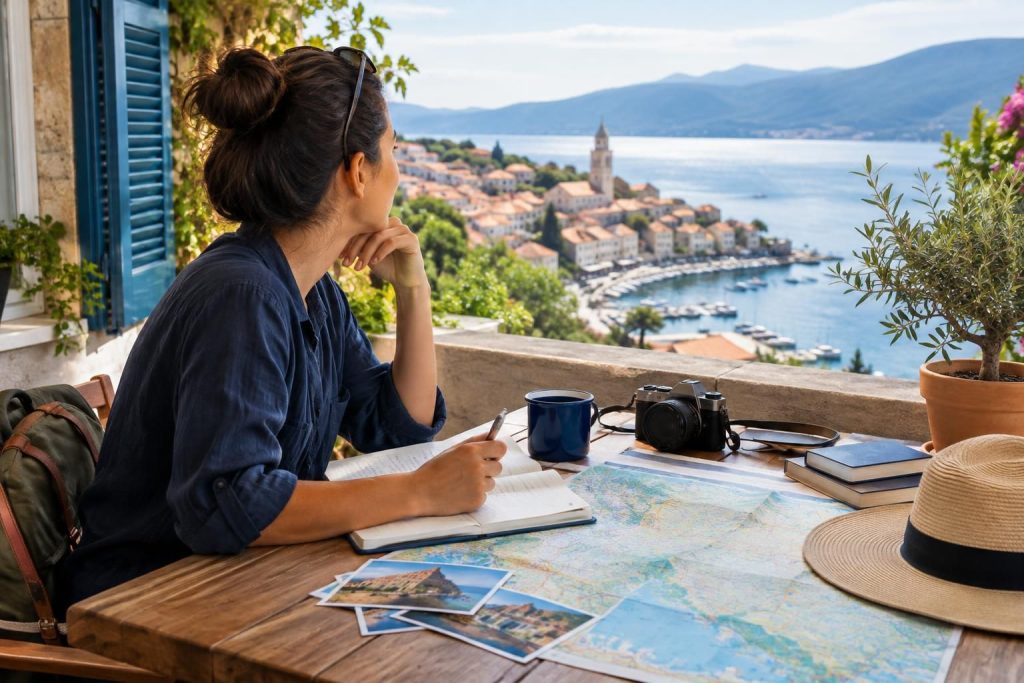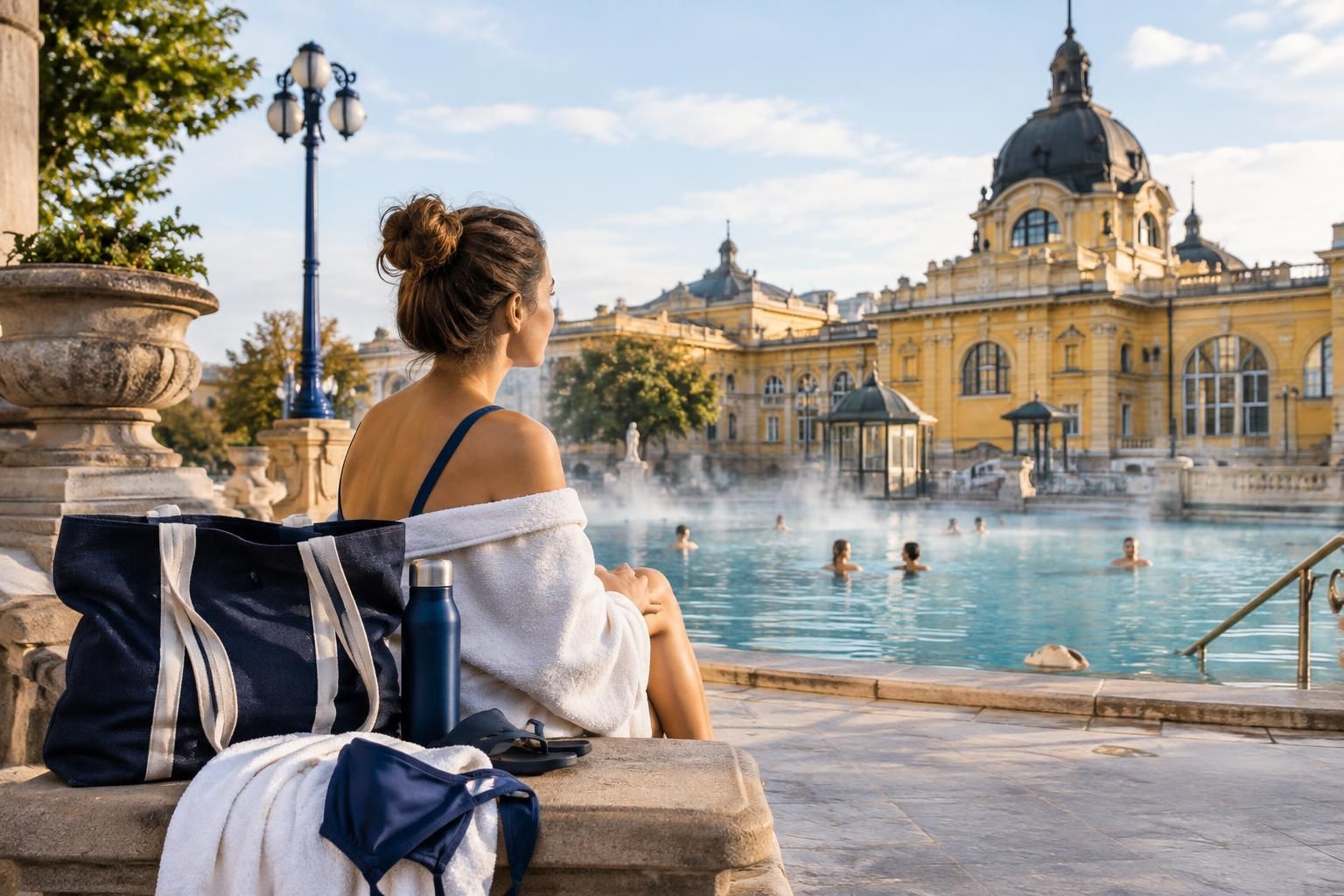
Budapest’s thermal baths can anchor a city break without taking over the itinerary. The trick is to treat bathing as a substantial activity rather than something to squeeze between a museum and dinner. Changing rooms, unfamiliar layouts and the temptation to explore every pool all take time. With four nights, you can combine an introductory bath visit with the Danube riverfront, neighborhood cafés and a second session if the experience suits you. Plan around the kind of atmosphere you want, not simply the longest list of famous baths.
Choose a bath experience, not just a famous building
Start by deciding what appeals to you: outdoor pools and grand architecture, historic interiors, or a quieter visit with fewer activities. Széchenyi is an obvious starting point if its large complex and outdoor setting match your idea of Budapest. Rudas offers a different architectural character through its Ottoman-era bathing heritage. Treat these as contrasting options to investigate, rather than assuming every bath offers the same experience.
Before buying admission, check the venue’s own information for your intended date. Look at which areas the ticket covers, whether a locker or changing cabin is included, and any session-specific entry conditions. Renovations, restricted areas and different arrangements for particular pools can affect the visit. Architectural interest alone is not enough to choose a ticket: the available bathing experience should suit your group.
Stay somewhere that makes the rest of the trip easy
For a first visit, a base in central Pest can make it straightforward to combine cafés, river walks and public transport. Around the inner sections of District V, prioritize access to useful transport stops over a direct river view. District VIII’s Palace Quarter offers another neighborhood to consider if you prefer a setting away from the busiest riverfront streets.
Buda may appeal if hillside streets and evenings near the Castle District matter more than being close to Pest’s concentration of restaurants. Wherever you stay, examine the actual route from the nearest stop: a short distance on a map may include steps or a climb. After bathing, an uncomplicated return journey is more useful than a room beside a landmark you visit only once.
Give four nights a simple, flexible structure
Keep arrival day light: check in, take a short orientation walk and have dinner near your accommodation. Use the first full day for a neighborhood walk and one main cultural stop. This gives you time to understand the transport network and assemble anything missing from your bath bag before the first session.
Make the second full day your main bathing day, with only an optional café stop or gentle walk afterward. Leave the third day for Buda’s historic streets, another cultural visit or a second bath. That second session should remain a choice, not a commitment made before you know whether you enjoy the experience. Avoid placing your only bath visit immediately before departure, when luggage and checkout can complicate the day.
Pack a small, separate bath bag
Bring swimwear, a towel, poolside footwear and a bag for wet items. A compact bag is easier to manage around changing areas than your full sightseeing backpack. Check the chosen venue’s requirements for swimming caps, footwear and towel provision rather than assuming everything is included or available to borrow.
A changing cabin can be useful if you value a private space to change, while locker-based admission may suit travelers comfortable with shared changing arrangements. Confirm how belongings are stored and whether companions can share facilities before choosing admission. Keep valuables to a minimum, and take an unhurried moment on arrival to understand the wristband or key system and find the showers, changing area and exit.
Budget for the whole visit and allow yourself to leave
Compare the complete cost of the outing, not just the headline admission. Changing options, towel rental and additional facilities may be priced separately. If you are traveling as a couple or family, small extras can become a meaningful part of the day’s spending. Decide which features you actually want before selecting a package.
Do not measure value by the number of hours spent inside or the number of pools tried. Read posted instructions, observe the venue’s etiquette and choose only the areas you feel comfortable using. A satisfying first visit might be shorter and simpler than expected. Keep the evening open rather than pairing the bath with a prepaid activity that forces you to watch the clock.
Pair each bath with a nearby slice of Budapest
Reduce cross-city travel by building the surrounding day geographically. A Széchenyi visit pairs naturally with time in City Park and the area around Heroes’ Square. For Rudas, consider a separate stroll along the Buda riverfront. Make the walk optional, especially if the weather is unpleasant or you would rather return to your accommodation.
On non-bathing days, change the texture of the trip. Browse the Great Market Hall if it fits your interests, explore streets around the Hungarian National Museum, or spend time looking across the Danube from both banks. Choose one substantial sight per day, then leave room for lunch and wandering. Budapest rewards that balance more than an itinerary that treats every available hour as a booking slot.
A successful Budapest bath break needs surprisingly few fixed plans: a well-connected place to stay, one carefully chosen bath visit and enough space around it to enjoy the city. Pack for a self-contained outing, check exactly what your admission includes and keep a second session optional. You will have a trip shaped by Budapest’s bathing culture without making every day follow the same pattern.
AI-assisted evergreen travel guide. Featured image is an AI-generated illustration, not a specific product or booking.