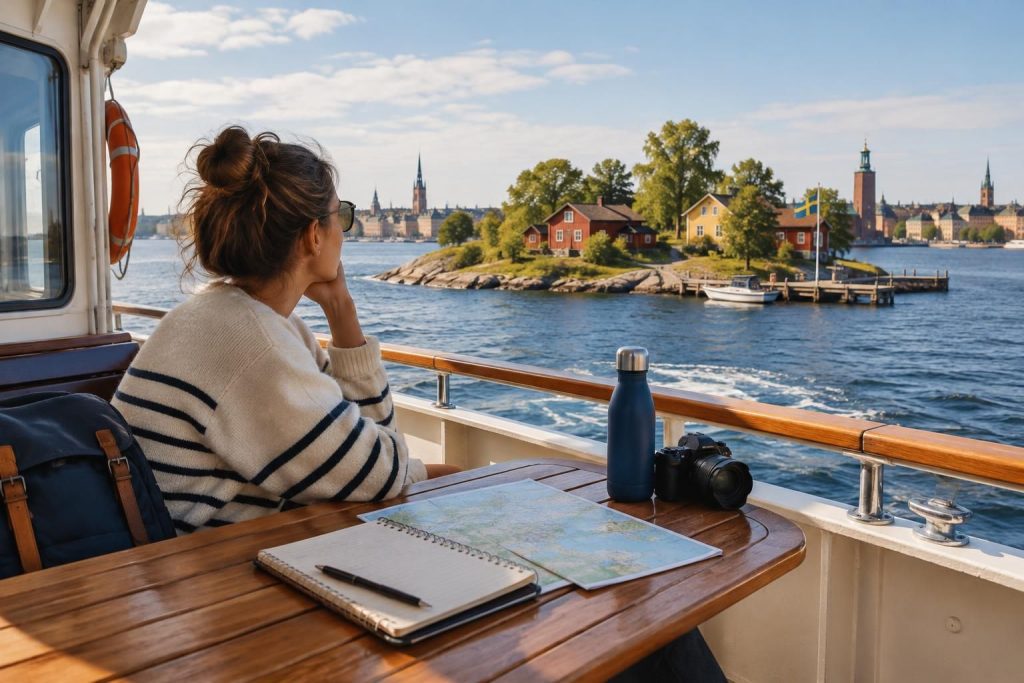
A reading retreat does not need a formal program, a remote cabin, or an ambitious stack of books. It can be a long weekend in a small town, a few nights beside the sea, or a city break with unusually spacious afternoons. The aim is to give reading the time and attention it rarely receives at home while enjoying a change of scene. Planning matters because an attractive destination is not automatically a comfortable place to spend several hours with a book. Start with the kind of days you want, then choose the setting, accommodation, and small outings that support them.
1. Decide what you want the retreat to give you
Choose a primary purpose before choosing a destination. You might want uninterrupted time for a long novel, space to explore an unfamiliar subject, or simply permission to read without checking the clock. These lead to different trips. A demanding book may suit a quiet apartment, while short stories can fit naturally around walks and neighborhood exploring.
Keep the goal experiential rather than numerical. Finishing three books is less useful as a planning target than having two unhurried reading sessions each day. For a first retreat, consider a short stay that is easy to reach. A complicated journey can consume the attention you hoped to free up, especially if you have only a few days away.
2. Choose somewhere with a satisfying life beyond the page
Look for a destination with a few simple pleasures close together: a waterside walk, an interesting neighborhood, a garden, or a modest selection of places to eat. A compact town can work better than a famous sightseeing center if major attractions would constantly tempt you away from the retreat you intended.
Match the surroundings to your preferred rhythm. A coastal base might support a morning walk followed by indoor reading. A smaller city can offer cafés and cultural outings when you want company. A rural stay may provide quiet, but consider how you will obtain meals and move around. Remoteness is only restful if the practical arrangements suit you.
3. Select accommodation for sitting, not just sleeping
Treat the reading space as a core accommodation requirement. Look for clear photographs of a supportive chair or sofa, a table for drinks and notes, and lighting that appears suitable for evening use. A beautiful bed and a decorative balcony do not necessarily provide somewhere comfortable to read for an afternoon. Ask about details that photographs leave uncertain.
Think through your indoor fallback before relying on a terrace or garden. Weather, glare, and outside noise can make outdoor reading less appealing than expected. If you plan to use a shared lounge, ask whether it is intended for quiet use and whether access has limitations. A private sitting area offers more control, while a kitchenette can make breaks easier without requiring full self-catering.
4. Build days around reading blocks and small outings
Use a loose daily pattern rather than a tightly timed itinerary. For example, reserve the morning for reading, take lunch and a substantial walk outside, then return for another session before dinner. Alternatively, explore early and read later. The best arrangement follows your concentration habits, not an idealized picture of how a retreat should look.
Choose one optional outing per day, such as a local museum, a bookshop browse, or a walk through a different district. Avoid making every excursion literary: looking at boats, architecture, or trees can provide a welcome change of attention. Leave at least one afternoon without a reservation so that an absorbing chapter does not become a scheduling problem.
5. Pack a small reading selection and a practical comfort kit
Bring enough choice to match different moods without turning your luggage into a mobile library. One main book, one lighter alternative, and a compact backup may be sufficient for a short stay. An electronic reader can reduce bulk; download anything you need beforehand if you want the trip to be less dependent on connectivity.
Add the items that support the way you actually read: your usual glasses, a notebook, bookmarks, charging equipment, and a comfortable layer for sitting still. If you use audio, bring familiar headphones and save listening material in advance. Keep books accessible during the journey, but do not assume every transfer will be productive reading time. Travel can also be a useful pause.
6. Agree on company, quiet time, and everyday spending
If traveling with someone else, discuss what a shared retreat means before booking. One person may imagine companionable silence while another expects frequent conversation. Agree on protected reading periods, shared meals, and whether separate outings are welcome. Separate comfortable seats can matter more than sharing exactly the same reading tastes.
Budget for the rhythm of the trip as well as the room. Repeated café visits, restaurant meals, and incidental book purchases can become meaningful expenses. Do not make a café your only reading base: seating, noise, and expectations around long stays vary. Accommodation where you can comfortably spend several hours helps keep both your plans and your spending flexible.
A successful reading retreat leaves room for both absorption and discovery. Choose an easy-to-manage destination, prioritize a genuinely comfortable reading space, and give each day a little movement and local interest. You do not need to finish every book you bring. Returning with a memorable passage, a new favorite walk, and a renewed appetite for reading is a worthwhile outcome.
AI-assisted evergreen travel guide. Featured image is an AI-generated illustration, not a specific product or booking.