A scenic train trip works best when the journey gets the same attention as the places at either end. A route can look appealing on a map yet leave little time to enjoy the landscape, explore a stopover or settle into your destination. Instead of choosing the longest ride or the most famous railway, build the trip around what you want to see from the window and how you want your days to feel. A few deliberate decisions about daylight, connections and overnight stops can turn transport time into the heart of the holiday.
1. Decide what makes the journey worth taking
Start with the scenery or experience you actually want. Mountain railways offer a different rhythm from coastal routes, broad river valleys or journeys through farmland and small towns. Think beyond dramatic views: you might value watching the landscape change, arriving in walkable towns or having several uninterrupted hours to read between stretches of scenery.
Choose one priority and one useful secondary benefit. For example, your main aim might be a daylight journey through a mountain valley, with an overnight stay in a small town as a bonus. This gives you a clearer basis for comparing routes than trying to combine mountains, coastline, historic cities and luxury dining in one trip.
2. Build around a scenic segment, not an entire line
Treat the railway as a collection of segments rather than assuming every kilometer deserves equal time. Mark the stretch that interests you most, then identify practical places to join and leave it. A shorter ride with time to walk, eat and explore afterward may suit you better than a full day aboard simply to reach the end of the line.
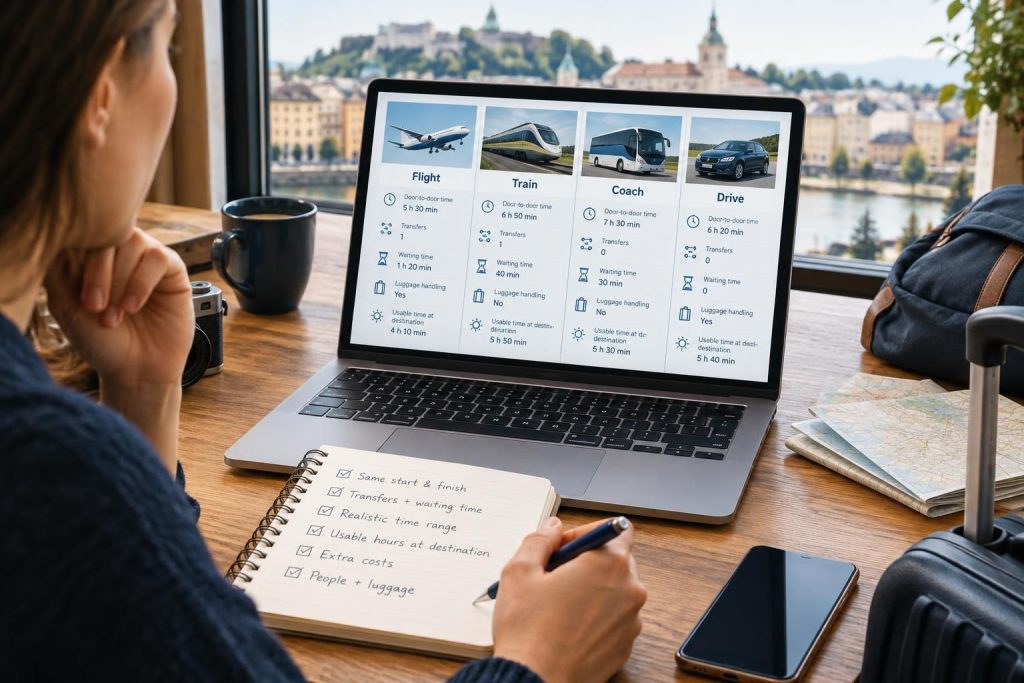
Sketch two versions before making reservations: a compact journey with one scenic segment and a longer version with a stopover. Count the full travel day in each, including reaching the station, waiting, changing trains and finding your accommodation. Keep an ordinary travel map alongside the rail map so you can see whether an apparently convenient station is actually useful for your stay.
3. Give daylight and direction a place in the plan
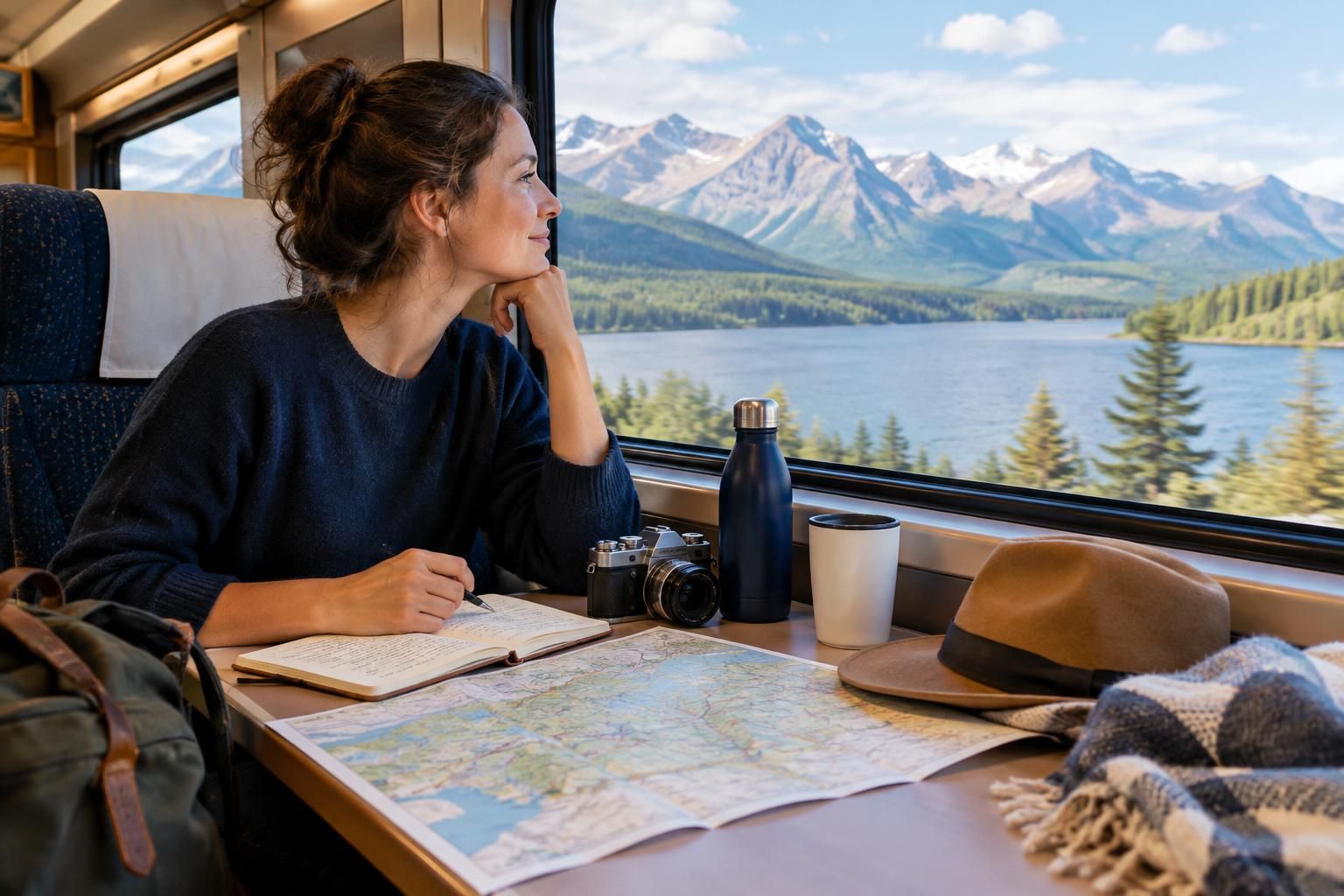
If the view is the reason for traveling, daylight is a planning requirement rather than a pleasant extra. Compare your intended travel period with the likely daylight window, then check the timetable for your dates before booking. Avoid a plan that depends on seeing the main landscape near dusk, particularly if a delay would put that stretch after dark.
Direction can matter too. Where reliable route information identifies which side faces a coast, valley or landmark, use it to guide your seat preference, but do not make the whole trip depend on securing that position. Reflections, weather and the train's layout can all affect the view. For photography, allow time off the train rather than relying entirely on pictures through glass.
4. Use stopovers to create a holiday rhythm
Choose stopovers for what you can comfortably do between trains. A town with a riverside walk, a compact center and a nearby place to stay may be more rewarding than a better-known destination that requires another lengthy transfer. Imagine the actual arrival: where will you put your bag, find a meal and spend the remaining afternoon?
One-night stays work best when arrival and departure leave a useful block of time. If you would arrive late and leave early, either continue onward or add a second night. Two nights can give you a full day for a walk, a local excursion or simply a break from moving. Avoid adding stops solely because they appear along the route.
5. Check the practical details before committing
Once the route feels right, check how its pieces fit together. Look at whether reservations are needed, whether seats can be selected, and what flexibility each ticket offers. If using a rail pass, compare its coverage and any reservation requirements with individual tickets rather than assuming it simplifies every journey. These details vary by service and travel date.
Pay particular attention to connections involving separate tickets, a change of station or the final useful departure of the day. Leave room for unfamiliar platforms and moving luggage. If reaching the scenic railway requires a flight or a long feeder journey, consider sleeping near its starting point instead of making the entire holiday depend on a tight same-day connection.
6. Pack and plan for time aboard
Choose luggage you can comfortably lift and maneuver yourself, and check the relevant operator's luggage conditions before departure. Keep a small bag accessible with water, a snack, a charging cable, an extra layer and anything needed during the ride. Do not assume onboard food, power sockets or connectivity will be available on every service.
Give the journey some breathing room. Download your tickets and essential trip notes, carry something to read, and avoid filling the arrival evening with another fixed commitment. A simple meal and a short walk can be enough after several hours aboard. The aim is to finish the rail day with enough energy to enjoy where it has brought you.
A satisfying scenic train holiday does not need an elaborate route. Start with one worthwhile stretch, travel it in daylight and choose overnight stops that offer genuine time on the ground. Then check the ticket, connection and luggage details that make the plan workable. The best itinerary balances watching the world pass by with stepping off the train to explore it.
AI-assisted evergreen travel guide. Featured image is an AI-generated illustration, not a specific product or booking.