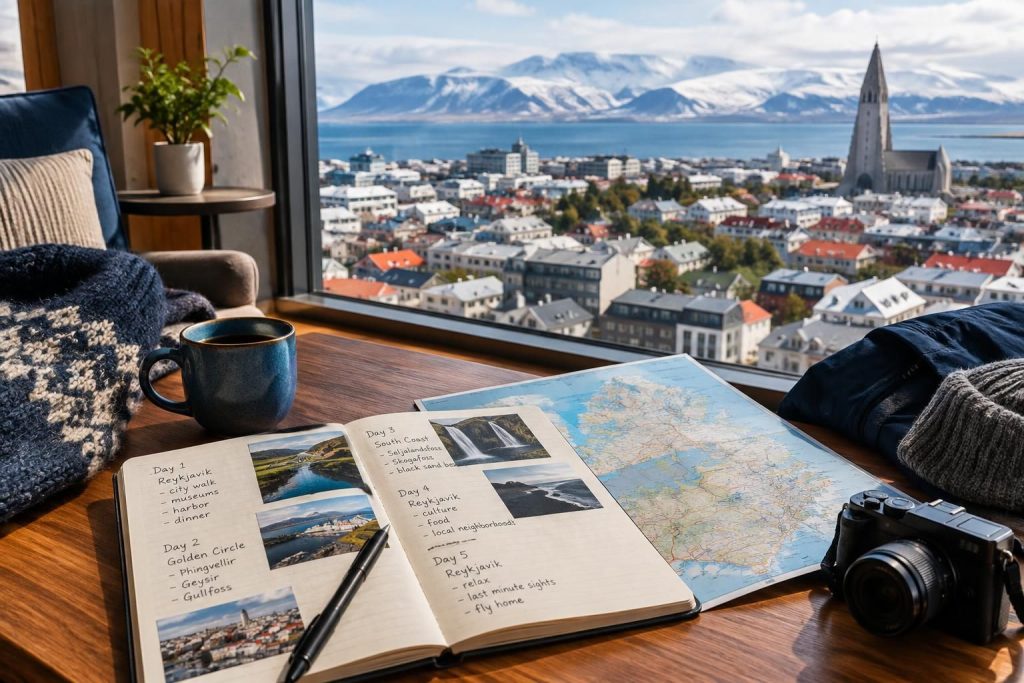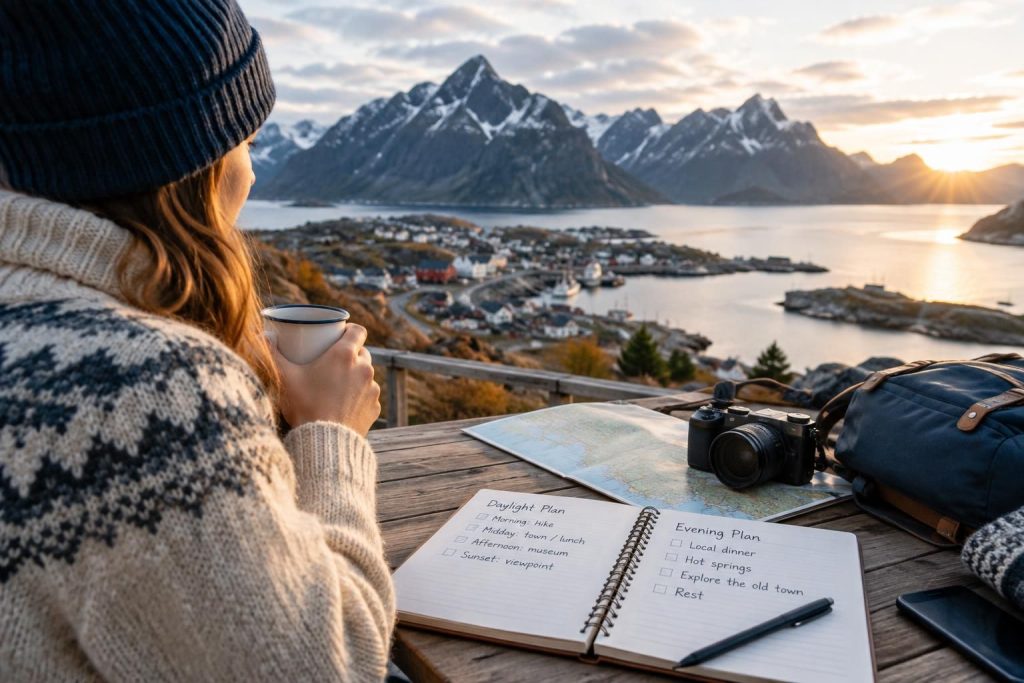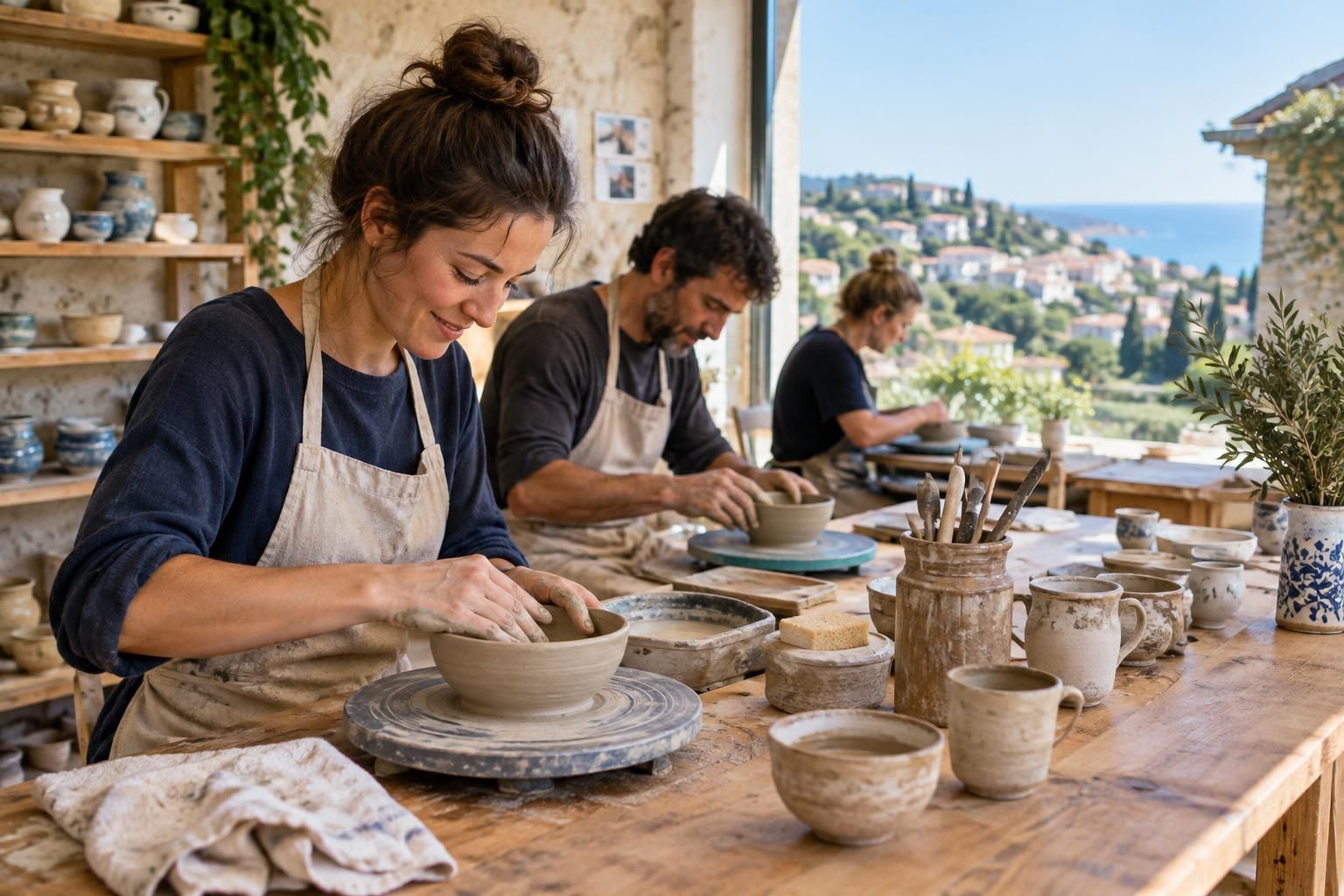
A hands-on workshop can give a trip a clear purpose without turning the whole holiday into a course. Making a ceramic bowl, learning a regional cooking technique or practicing landscape photography offers a different way to engage with a place: through materials, habits and sustained attention. The challenge is choosing an experience that fits both your interests and the realities of travel. Start with what you want to learn, then build a manageable itinerary around it rather than filling every spare hour.
Decide what you want to take home
Think beyond the finished object. You might want an introduction to an unfamiliar craft, a technique you can repeat at home or several days of focused practice. These goals call for different experiences. A short printmaking session can provide a satisfying first encounter, while improving an existing skill may require a small course with time for individual feedback.
Write one sentence describing success: “I want to understand how to shape a simple pot” or “I want to become more confident composing photographs outdoors.” Use that sentence to compare options. A beautiful setting is a bonus, but it should not distract from whether the activity actually teaches what you want to learn.
Match the workshop format to your holiday
Choose between a single session, several separate classes and a residential course. One session works well when the workshop is only part of a broader trip. A multi-day course offers continuity but shapes your daily routine. A residential format can simplify logistics, although it may leave less freedom to choose meals, accommodation or evening activities.
Look closely at the balance between demonstration and participation. Consider the stated experience level, teaching language, group size and amount of independent work. Ask how beginners are supported and whether companions can book different levels. For a mixed-interest group, one workshop morning may work better than asking everyone to commit most of the holiday to the same activity.
Choose a destination that adds context
The strongest pairing is often a skill and a place that help explain each other. Textile work might sit naturally alongside visits to local collections and fabric shops. A cooking class can become more meaningful after exploring a market. A drawing course might pair with time studying architecture, gardens or coastal landscapes.
Compare destinations on ordinary travel needs as well as creative appeal. Consider the journey, accommodation choices and what you would enjoy outside class. A remote studio may suit someone seeking concentration, while a workshop in a walkable town can make independent afternoons easier. Choose a place you would still appreciate if the session proved more challenging than expected.
Build the itinerary around attention, not just time
Treat learning as a substantial activity, even when it involves sitting at a table. Following instructions, handling unfamiliar tools and making repeated decisions can be tiring. Avoid placing your most demanding sightseeing immediately afterward. A relaxed meal, a short walk or an unstructured evening often makes a better companion to several hours of concentrated work.
For a longer course, arrive with enough breathing room to settle in and understand the route to the venue. Keep travel connections separate from essential teaching sessions where practical. A balanced four-night break might include an arrival afternoon, a workshop day, a day exploring related places and a final flexible day. The point is to let the skill enrich the trip rather than crowd everything else out.
Clarify materials, costs and practical requirements
Compare the full commitment rather than the headline fee. Establish whether tools, ingredients, materials and any finishing processes are included. Some activities produce extra costs for optional materials or for completing and sending work later. Accommodation farther from the venue can also add repeated transport expenses, so compare the combined cost of learning and staying.
Ask what clothing or equipment participants need and what working conditions to expect. Standing, outdoor exposure, stairs or fine hand movements may matter to your comfort. Explain any specific participation requirements directly to the organizer rather than relying on a general description. Check the booking and cancellation terms before committing, particularly when the course is the main reason for the journey.
Plan for finished work and continued practice
Find out whether you can take your work away immediately. Ceramics may need drying and firing; prints or painted pieces may need time before packing. Ask about collection, packaging and shipping arrangements before choosing your departure date. If an item will travel separately, understand the proposed process and costs rather than assuming delivery is included.
Consider luggage space, fragility and any transport or destination restrictions relevant to materials and tools. Check the applicable requirements before buying supplies to bring home. Leave room for notes, too: record techniques, material names and the steps you want to repeat, with permission before photographing demonstrations or other participants. A modest project you can continue at home may have more lasting value than an ambitious piece you cannot transport.
A workshop-centered trip works best when the learning goal, destination and daily pace support one another. Choose an appropriate level of commitment, clarify the practical details and leave enough unplanned time to enjoy the place around the classroom. You can return with something you made, a skill worth practicing and a more attentive connection to the destination.
AI-assisted evergreen travel guide. Featured image is an AI-generated illustration, not a specific product or booking.