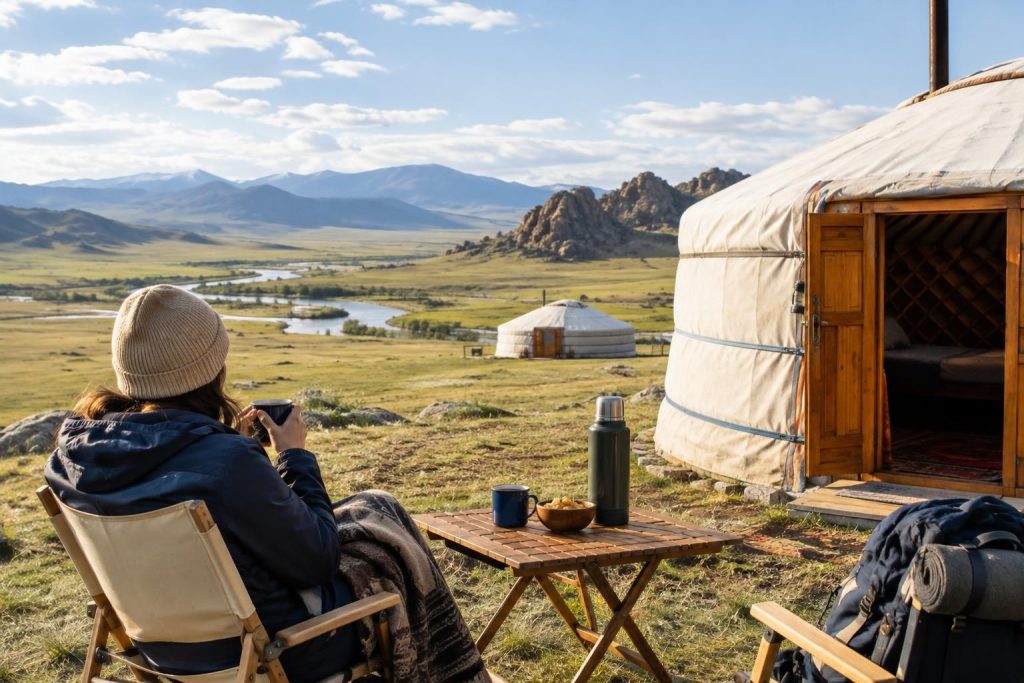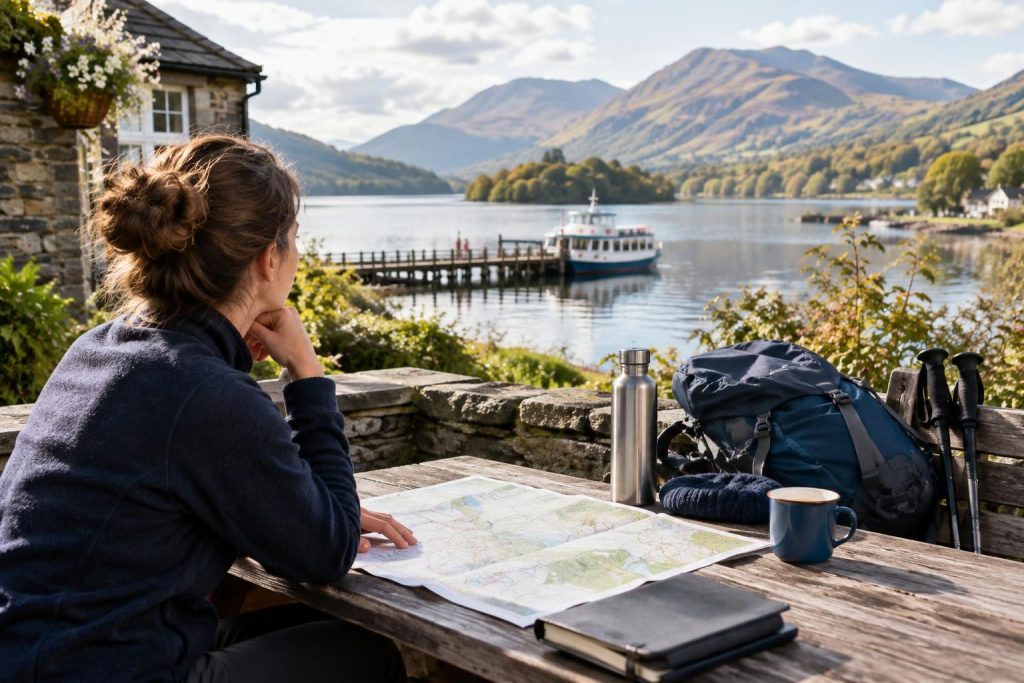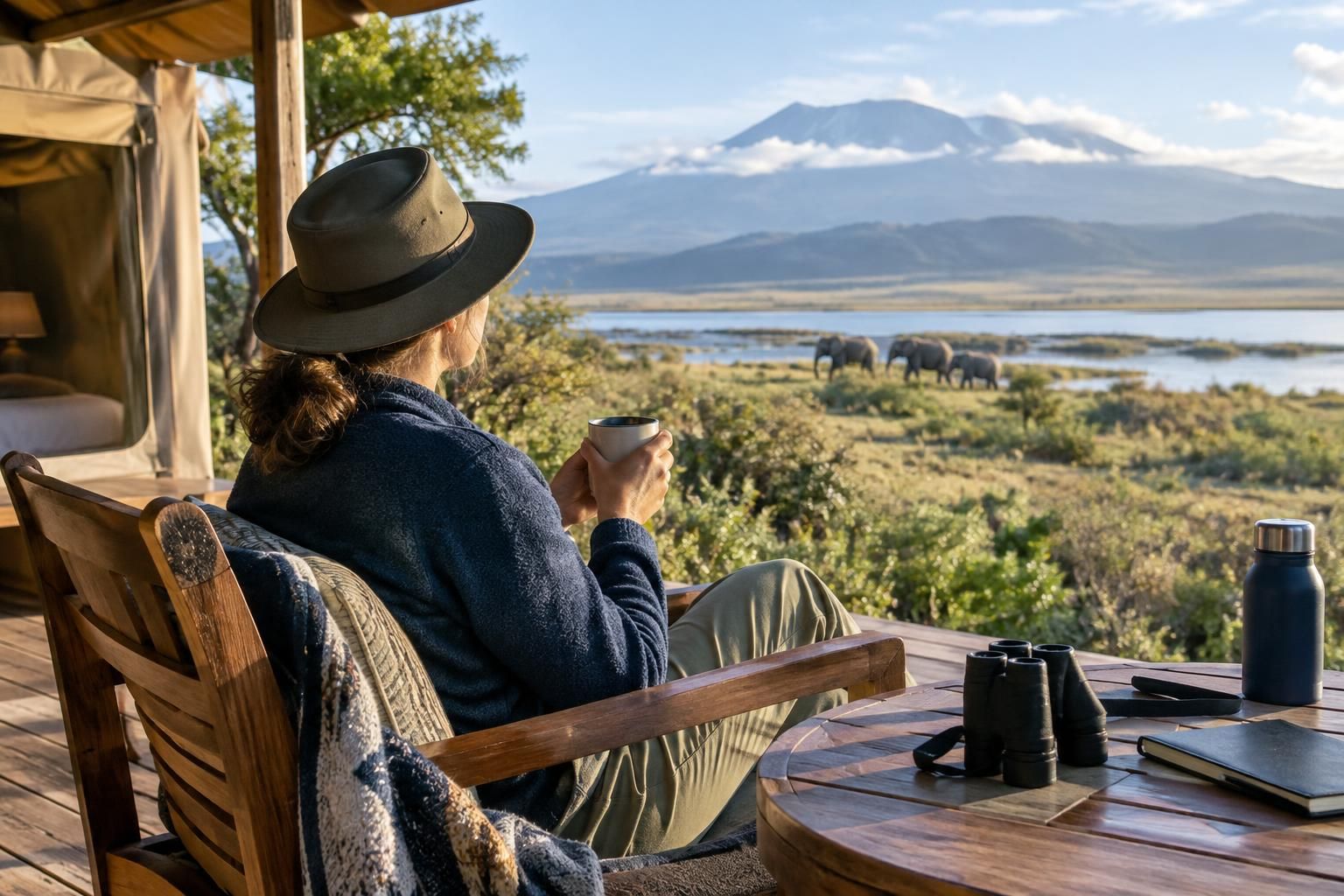
A wildlife trip starts with an appealing possibility: watching whales from a boat, spotting birds across a wetland or seeing animals move through open grassland. But unlike a museum visit, a wildlife encounter cannot be reserved for a particular hour. Animals may be distant, conditions may change and an outing may deliver more landscape than sightings. The strongest plan makes room for those uncertainties without treating them as failures. Choose a destination you would enjoy anyway, give your main wildlife interest more than one opportunity and build a holiday that remains worthwhile between encounters.
Start with the experience, not just the animal
Decide what you actually want to spend your time doing. A boat-based marine trip, a guided woodland walk and a vehicle-based grassland excursion involve very different days, even when all three promise wildlife. Consider how you feel about long periods sitting still, early starts, exposed viewpoints, uneven paths or being on the water. The method of looking matters as much as the species you hope to find.
Write down one main wildlife interest and two broader reasons to visit. For example, a coastal trip might combine seabird watching with cliff scenery and harbor towns. A forest stay could pair animal observation with walking routes and local craft workshops. These additional interests should be things you genuinely want to do, not consolation activities chosen only to fill empty time.
Choose a region and season with realistic expectations
Compare destinations by habitat, access and the kind of observation they support. Wetlands may suit travelers who enjoy patient viewing from fixed points, while a coastal base might offer a mixture of shore walks and boat excursions. Avoid assuming that a famous wildlife region automatically suits your preferred pace or transport options.
Treat seasonal wildlife patterns as a planning aid rather than a promise. Identify the usual period associated with your main interest, then check what that period means for the rest of the holiday: daylight, likely weather, accommodation choices and travel between places. Before committing, ask prospective guides what an ordinary outing involves and what guests do when the target species does not appear. Descriptions of the process are more useful than spectacular photographs.
Give your main outing room to move
If one excursion is central to the trip, avoid placing it in your final available slot. On a four-night coastal stay, for instance, an outing planned for the first full day leaves later days as possible alternatives if conditions prevent it from running. That does not guarantee rescheduling, but it gives you more options than booking immediately before departure.
Keep at least one nearby activity uncommitted until you know how the wildlife day unfolds. A town walk, scenic route or small museum can move more easily than another timed tour. Read cancellation and rescheduling terms before booking, including how arrangements work when you cancel versus when the operator cancels. If you want several outings, consider different habitats or viewing methods rather than repeating the same experience automatically.
Pick accommodation that supports the daily routine
Choose your base by the practical start and end points of excursions, not simply by its distance from a park or coastline on a map. A remote lodge may feel atmospheric but involve substantial transfers. A town base may offer easier meals and independent activities, while placing you farther from the habitat you came to explore. Compare the complete daily journey before deciding.
Ask about arrangements that matter to your plans: breakfast options before an early departure, somewhere to dry damp clothing, space for muddy footwear and transport to meeting points. Travelers sharing a room should also discuss different routines. One person leaving before dawn can disrupt another person's rest, so separate sleeping space or fewer early outings may be worth prioritizing.
Choose excursions by their approach, not their promises
Useful questions include how large the group is, how much walking or waiting is involved, whether viewing equipment is shared and how the guide handles a quiet day. Explain your interests clearly. A keen photographer, a beginner birdwatcher and a family seeking a broad nature introduction may need different pacing, even in the same habitat.
Look for an approach centered on observing animals without pressuring them. Ask how distance is managed and whether outings involve feeding, baiting, handling or pursuing wildlife. Follow site-specific guidance and the guide's directions rather than moving closer for a photograph. Be cautious about any experience framed around a guaranteed close encounter; the planning goal is a worthwhile observation opportunity, not control over an animal's behavior.
Prepare for waiting, then leave space to notice more
Pack for the actual setting and outing length. Depending on the trip, useful items may include weather-appropriate layers, sun protection, a refillable water bottle, a small snack and a protective bag for equipment. Ask what the operator supplies before buying specialist gear. Binoculars can be more useful than a complicated camera setup if your main aim is to watch rather than photograph.
Agree on a comfortable limit for wildlife-focused time, especially when traveling with others. One long outing followed by an unstructured afternoon may work better than consecutive full days of searching. During quieter stretches, pay attention to tracks, vegetation, sounds and the wider landscape. Keeping a short observation notebook can give the day shape without reducing its value to a checklist of species.
A well-planned wildlife holiday offers opportunities rather than promises. Match the viewing style to your interests, leave room around the most important excursion and choose a base with worthwhile days beyond animal watching. You may return with the sighting you hoped for, but the trip should have enough substance to feel rewarding even if you do not.
AI-assisted evergreen travel guide. Featured image is an AI-generated illustration, not a specific product or booking.