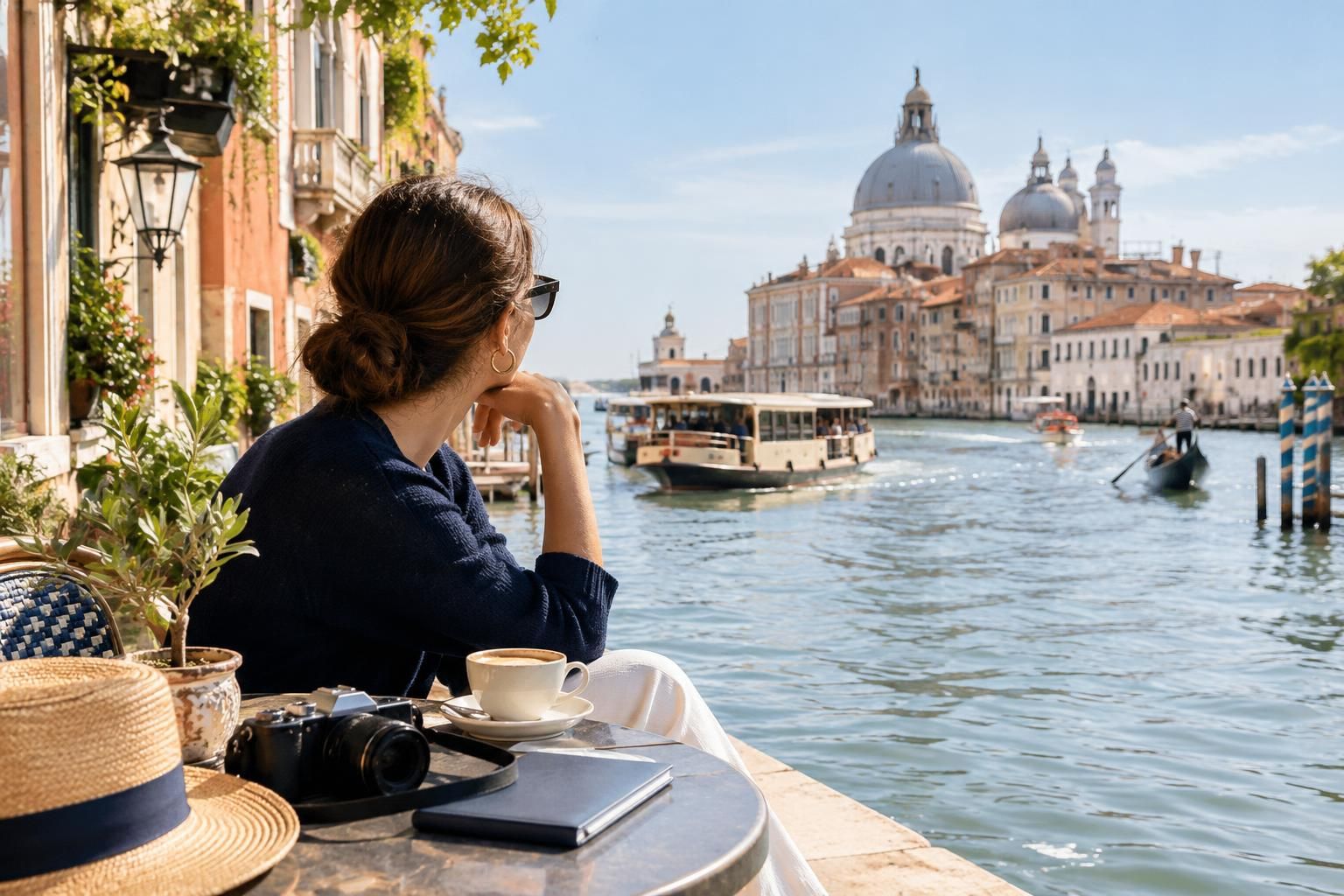
Venice rewards time more than a long checklist. With four nights, you can see the city’s celebrated architecture while leaving space for residential squares, waterfront walks and an outing into the lagoon. The advantage is not that the city becomes empty at a particular hour, but that you can choose when to explore and when to step away from its busiest routes. Plan around one well-chosen base, a few fixed visits and manageable walking loops rather than repeated crossings of the city.
Choose a neighborhood by your daily route
Start with the kind of evening you want. Cannaregio suits travelers interested in neighborhood wandering and canalside meals. Dorsoduro is a useful choice for an art-focused trip, with opportunities to combine galleries, smaller streets and broad waterfront views. Castello can appeal if you prefer to spend part of each day away from the most direct routes between major sights.
Neighborhood names alone are not enough to judge a property. Trace the actual approach from a suitable waterbus stop or arrival point, count bridges and ask about entrance steps, lifts and the floor of your room. A seemingly short walk can feel very different with luggage. For light sleepers, check whether windows face a busy pedestrian route, restaurant terrace or boat landing rather than assuming a side canal will be quiet.
Make arrival and departure part of the plan
Venice’s historic center is a pedestrian-and-water environment, so the final stage of arrival deserves attention. Compare available public boat, land-transport and private-transfer options using your actual arrival point and accommodation address. Fewer changes may matter more than the shortest theoretical journey, especially with children, reduced mobility or a late arrival.
Pack so you can carry your own bag up and down bridge steps. A small wheeled case can work, but wheels do not remove the lifting involved. Keep your first evening close to your accommodation: settle in, find dinner and take a short orientation walk. On departure day, leave a generous buffer and avoid making a tightly timed attraction visit the final item before your onward journey.
Build four nights around three different kinds of day
Use the arrival day for your immediate neighborhood. Give the next full day to the San Marco area and one major interior, such as the Doge’s Palace or the basilica, according to your interests. If you want both, allow enough space between them for a meal and a proper pause rather than treating them as consecutive boxes to tick.
Make another day neighborhood-led: explore Dorsoduro through art and waterfronts, or Cannaregio through smaller canals and squares. Reserve the remaining full day for the lagoon if conditions suit. This creates a useful balance of famous landmarks, ordinary city spaces and a change of setting. Keep the order flexible so an island excursion does not have to happen on the least suitable weather day.
Choose one lagoon island, or make two a deliberate commitment
Murano is a natural choice for an interest in glassmaking, while Burano offers a different streetscape and a setting associated with lace traditions. Torcello is better approached as a landscape-and-history outing than as another colorful village stop. Choose according to what you want to do there, not simply because several names appear together on an excursion list.
For an unhurried day, one island may be enough. Two can work if you are comfortable with more time in transit and waiting between boats. Before leaving, check current routes, return options and the operating details of any museum or workshop you particularly want to visit. Distinguish a demonstration or shopping stop from a substantial museum visit, and avoid building the whole day around an activity that has not been confirmed.
Balance walking, water transport and time indoors
Walking reveals much of Venice’s appeal, but bridges, hard paving and indirect routes can make distances more tiring than they look. Plan compact loops with a seated break halfway through. If step-free movement matters, investigate specific routes and boarding arrangements; a nearby boat stop does not by itself establish an accessible journey.
Treat water transport as both practical travel and a chance to see the city from another angle. Compare individual tickets with passes against the journeys you actually expect to make, rather than buying a pass automatically. Comfortable shoes, a light weatherproof layer and a compact day bag are useful. In cooler or unsettled periods, give each day an indoor alternative instead of relying entirely on long outdoor walks.
Leave room for meals and everyday city life
Choose a few meals near your base so dinner does not become another cross-city expedition. Small snacks can fit between visits, but standing stops are not always a substitute for a seated meal after hours on foot. Discuss dietary needs clearly and check menus before settling in, particularly if your group needs predictable meal times.
Venice is also a lived-in city. Keep bridges and narrow passages clear when taking photographs, respect residential entrances and use appropriate places to sit and eat. Before departure, check current visitor requirements, transport information and guidance for any forecast high-water conditions. Leave some budget uncommitted for a changed plan, an extra boat journey or a longer indoor visit when the weather turns.
A satisfying four-night Venice trip needs fewer fixed commitments than you might expect: a thoughtfully located room, one or two major visits, a neighborhood day and a flexible lagoon outing. Keep luggage manageable and routes compact. The extra time then becomes something useful—not an excuse to add more sights, but room to enjoy the city between them.
AI-assisted evergreen travel guide. Featured image is an AI-generated illustration, not a specific product or booking.