One traveler wants to explore before breakfast; the other would rather linger over dinner and start slowly the next morning. Different daily rhythms can create friction on holiday, especially when every activity is treated as something you must do together. The solution is not necessarily to meet halfway every day. A better approach is to protect a few shared experiences, make independent time easy, and choose accommodation that lets one person rest while the other gets ready. Here is how to build a trip that works for both an early riser and a night owl.
1. Compare your ideal days before booking
Start with a concrete conversation rather than labels. Being an early riser might mean wanting a quiet coffee at seven, not a demanding excursion at dawn. Being a night owl might mean enjoying a late meal, not staying out until the early hours. Each person should describe their preferred waking time, first meal, busiest activity period, and bedtime.
Then identify what actually matters. Perhaps one traveler values morning photography while the other cares most about evening performances. Separate those priorities from habits that are easy to adjust. Build the trip around a few meaningful preferences instead of assuming that every difference requires an equal compromise.
2. Choose a base that supports independent time
Accommodation location matters more when you expect to come and go separately. Favor a base with straightforward routes to activities each person would enjoy alone. A neighborhood with cafés, parks, shops, or a waterfront nearby can give an early riser something pleasant to do without turning a short outing into a transport project. Consider evening journeys just as carefully.
Room layout also deserves attention. A separate sitting area can help, but even a modest room may work if the bathroom is accessible without moving around the bed. Look at room descriptions and photographs for practical details such as doors, lighting, and seating. If you are considering separate rooms, compare that expense with the value both travelers place on uninterrupted rest.
3. Give each day one or two shared anchors
Instead of synchronizing the entire day, choose a small number of shared anchors: lunch, an afternoon neighborhood walk, or an evening event. Put the experience you both care about most in the part of the day when your energy overlaps. For many pairs, that may be late morning through early evening, but use your own preferences rather than a standard timetable.
For example, one person could take an early photo walk while the other has a slow breakfast. You might meet for lunch, visit a gallery together, and then decide whether to share dinner or split up again. Avoid making every reunion a timed reservation. A flexible meeting window leaves room for a delayed meal or an unexpectedly interesting stop.
4. Agree on quiet-room habits
Small room habits can cause more tension than big itinerary decisions. Before bed, the early riser can set out clothes and pack a day bag so that drawers and zippers stay quiet in the morning. The later sleeper can prepare evening essentials before the other person turns in. Agree on how to handle alarms, lights, calls, and bathroom noise.
Discuss what happens when one person returns late or leaves early. Decide whether you want a brief message, and whether either person expects the other to wait up. Arrange room access with the accommodation so neither traveler depends on the other being awake. These practical agreements remove guesswork without requiring either person to justify their preferred hours.
5. Make solo time intentional, not second best
Independent time works best when both people have something they genuinely want to do. Before departure, each traveler can save a short list of manageable options: a bookshop browse, a sketching session, a leisurely breakfast, or a neighborhood walk. Include options that do not depend on a reservation, so a change of mood does not disrupt the other person's plans.
Agree on a meeting point and a fallback if messages do not arrive. Both travelers should have the accommodation address and whatever payment and navigation tools they need. Discuss transport choices for separate outings, particularly after dark, rather than assuming the same route will suit every situation. Keep coordination useful and proportionate; independent time should not become a running report of every movement.
6. Share the exceptions and adjust as you go
Some experiences will favor one person's rhythm. An early excursion or a late performance may be worth enjoying together, provided it is a deliberate exception rather than the daily pattern. Balance the effort across the trip. After an unusually late night, leave the following morning open; after an early start, avoid automatically adding a demanding evening.
Check in after the first full day. Ask whether the shared time feels sufficient, whether anyone feels rushed, and whether the room arrangement is working. Make specific adjustments: move breakfast apart, shift the main outing later, or reserve one evening for separate plans. A small change is often more useful than trying to redesign the whole holiday.
Traveling well together does not require waking, eating, and going to bed at the same time. It requires knowing which experiences you want to share and making the hours around them comfortable for both people. Choose a practical base, agree on considerate room habits, and leave space for separate discoveries. Different daily rhythms can then add variety to a trip rather than becoming a daily negotiation.
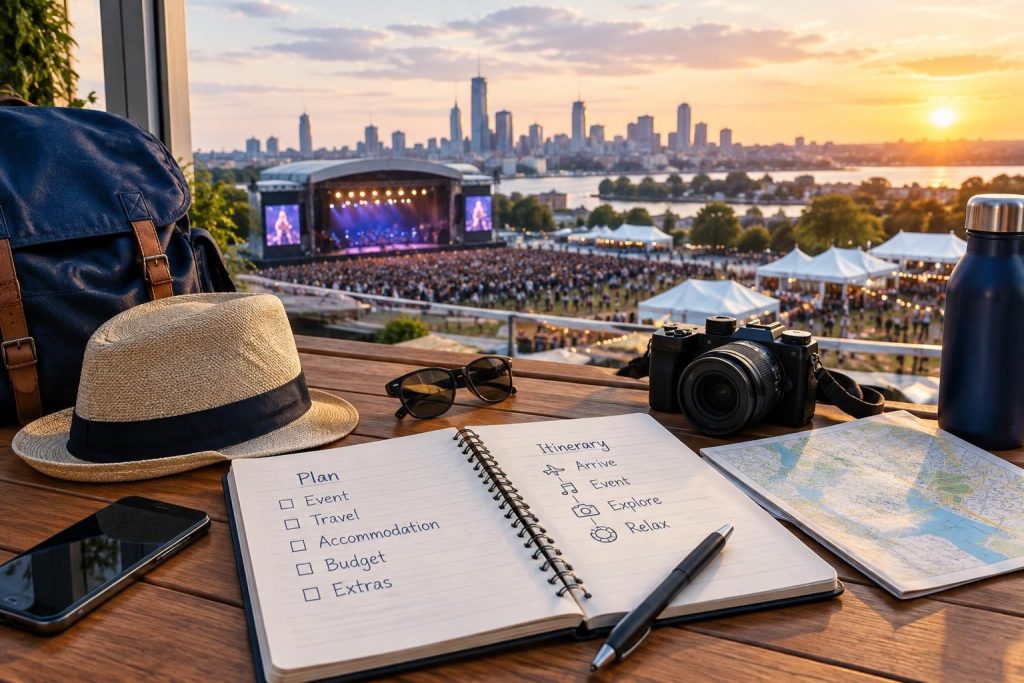
AI-assisted evergreen travel guide. Featured image is an AI-generated illustration, not a specific product or booking.