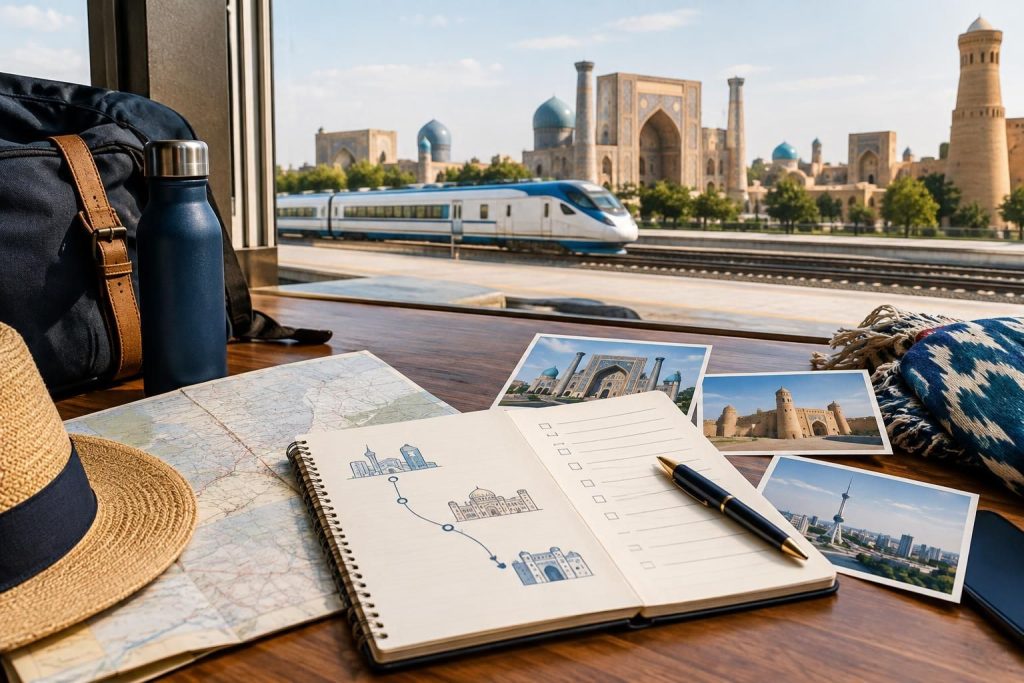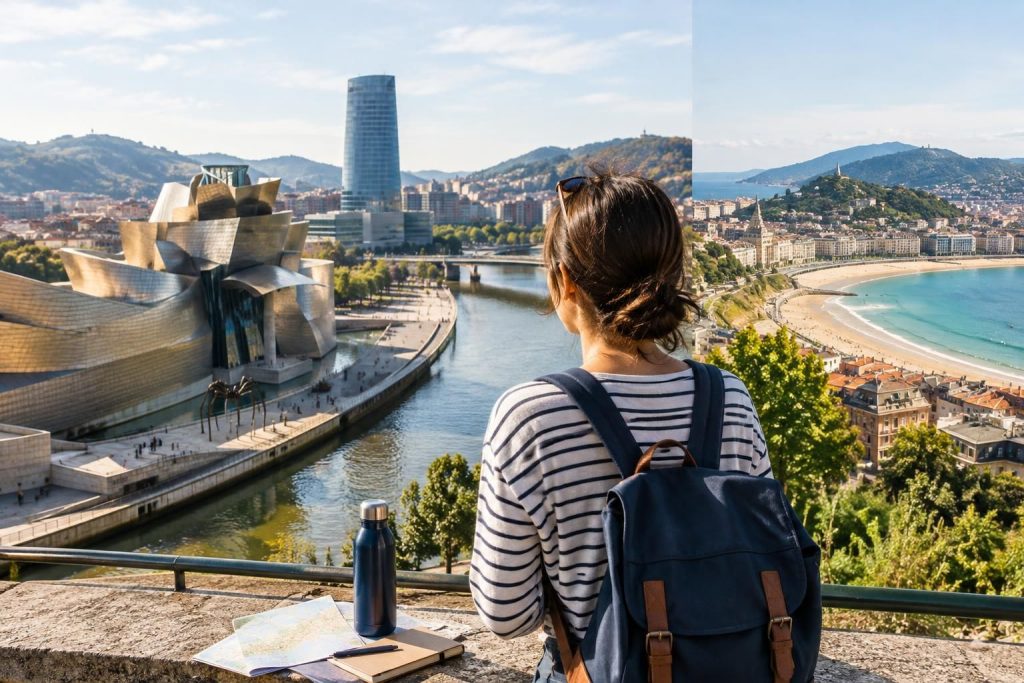
Uncertain weather does not have to turn a carefully planned trip into a series of compromises. The most useful approach is to build an itinerary that can change shape: outdoor experiences when conditions suit them, appealing alternatives nearby and enough uncommitted time to move things around. Whether you are planning a coastal break, a city weekend or a countryside escape, a few structural choices can make the whole trip more adaptable.
1. Plan around weather-sensitive experiences first
Start by identifying which parts of your trip genuinely depend on conditions. A scenic viewpoint, an exposed garden or a boat excursion may lose much of its appeal in certain weather. A cooking class, gallery visit or long lunch is usually less dependent on what is happening outside. Put your priorities into three groups: weather-sensitive, weather-tolerant and mostly indoors.
Then decide what matters most. If coastal walking is the main reason for your trip, leave several possible windows for it rather than assigning it to one afternoon. If you mainly want food, architecture and museums, your itinerary may need only modest adjustments. This distinction helps you protect the experiences you care about without reorganizing everything whenever the forecast changes.
2. Build interchangeable half-days, not rigid daily schedules
Organize activities into compact half-day blocks that you can swap. In a city, one block might combine a riverside walk, an outdoor market and a neighborhood lunch. Its alternative could be a museum and a café in the same district. Keeping both versions geographically close avoids turning a weather change into an expensive cross-town journey.
Make the alternative something you would genuinely enjoy. A small design museum, a hands-on workshop or an indoor food market may be a better fit than the largest attraction in town. Note likely visit lengths, travel effort and whether advance booking is needed. An indoor option is not especially flexible if it requires a fixed reservation you have not made.
For a three-day break, you might create two outdoor blocks, two indoor blocks and one mixed block, leaving the remaining half-day open. This provides structure without filling every available hour.
3. Put flexibility where it matters in your bookings
Before paying for an activity, consider what happens if the weather changes. Read the cancellation and rescheduling terms, distinguish an operator cancellation from your own decision not to attend and check whether changes involve extra costs. An experience being outdoors does not necessarily mean it will be canceled in conditions you would find unpleasant.
Use fixed bookings selectively. If one timed-entry attraction is essential, anchor the day around it and keep surrounding activities movable. Avoid placing several weather-sensitive, nonchangeable reservations on consecutive days unless you are comfortable accepting that trade-off. For an outdoor excursion that motivates the whole trip, staying multiple nights in one base may create more options than a rapid sequence of one-night stops.
Keep a simple note of booking references, meeting points and the terms relevant to changes. This is more useful during a disrupted morning than searching through several confirmation emails.
4. Choose accommodation that works on a stay-in afternoon
Accommodation matters more when the weather encourages you to spend extra time there. Consider whether you would be comfortable reading, resting or sharing a meal in the space. A usable table, somewhere to hang damp clothing and enough room to unpack can be more valuable than decorative extras.
Location also affects your options. Compare the actual routes to food, transport and indoor activities rather than judging distance only on a map. A nearby café reached by a steep outdoor staircase may feel less convenient in rain than a slightly farther option on a straightforward route. For rural stays, think through what you would do if you chose to skip a planned drive or excursion.
If everyone in your group has different interests, a base with several nearby options can let people split up for a few hours without creating a complicated reunion.
5. Pack for transitions rather than every possible forecast
Build a small clothing system that can move between outdoor sightseeing, transport and indoor stops. Depending on the destination and season, that might mean a light layer, a warmer layer and an outer layer suited to expected conditions. Choose pieces you can combine instead of packing a separate outfit for every scenario.
Think about what happens after getting wet. A spare pair of socks, a separate bag for damp items and footwear appropriate to your planned activities can make transitions easier. Give particular attention to drying: bulky items that remain damp may become awkward on a trip with frequent hotel changes. Keep the items you might need during the day accessible rather than buried in your main luggage.
6. Use a short daily check-in to make decisions
Set aside a few minutes each evening to consider the next day. Look at conditions for the specific place you intend to visit, not just the nearest major city, and check relevant operator or destination updates before weather-dependent outings. Use forecasts as planning information rather than treating a single symbol as a verdict on the entire day.
Agree on a decision point with your companions: for example, choose between the outdoor and indoor half-day before breakfast. If conditions affect an activity's operation or access, follow the relevant local guidance rather than trying to preserve the itinerary. Keep one or two easy pleasures unbooked, such as a leisurely breakfast or browsing a bookshop, so a changed plan still feels like part of the holiday.
A flexible trip is not an unplanned trip. It has clear priorities, movable activities and alternatives worth choosing in their own right. Protect your most weather-sensitive experiences with several possible windows, keep fixed commitments manageable and choose a base that supports more than one kind of day. Then you can adapt without rebuilding the holiday from scratch.
AI-assisted evergreen travel guide. Featured image is an AI-generated illustration, not a specific product or booking.