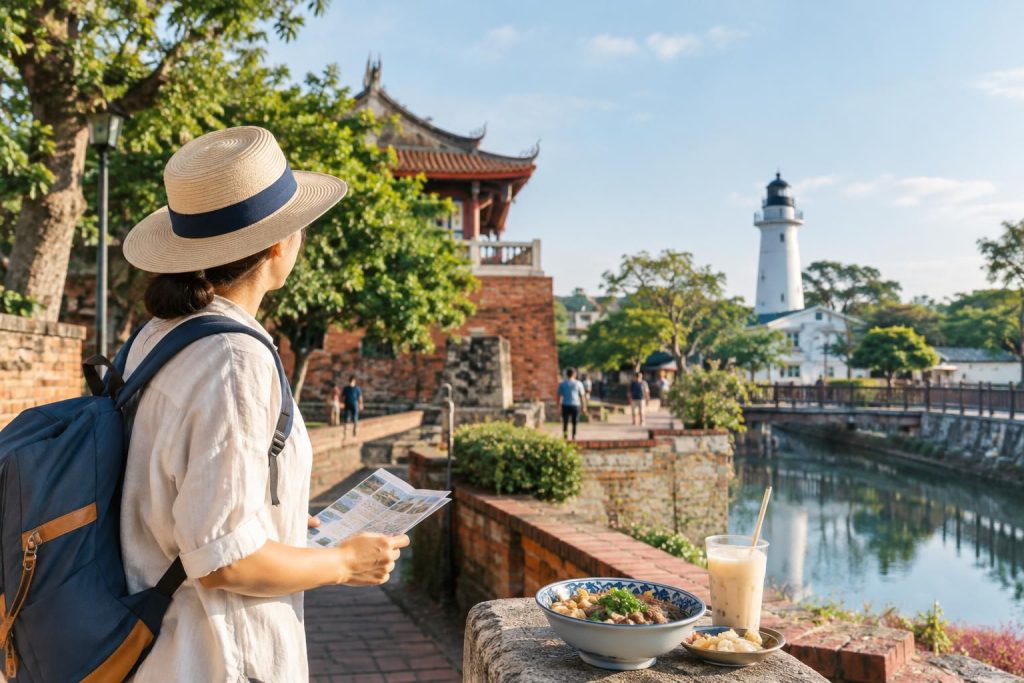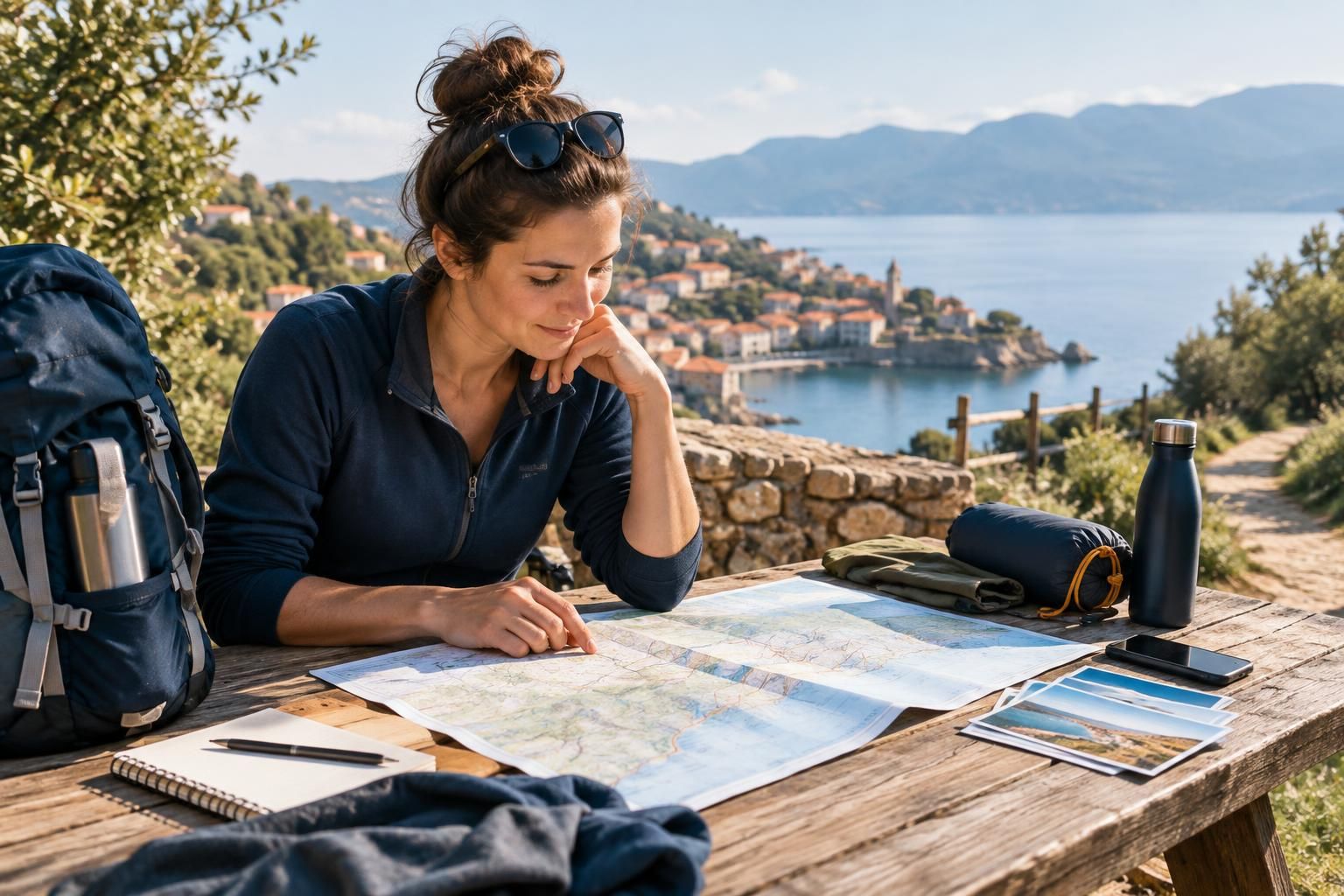
A point-to-point walking trip turns the journey itself into the holiday. Instead of returning to the same base each evening, you travel on foot between villages, small towns or countryside stays, watching the landscape change at walking pace. The challenge is that every overnight booking also creates a destination you need to reach. A satisfying plan therefore starts with more than an attractive trail: it connects realistic walking days, well-placed accommodation, manageable luggage and ways to adjust. Here is how to build a trip that leaves room for lunch stops, detours and the occasional afternoon when you would rather linger.
Choose the kind of walking holiday you actually want
Start with the experience rather than a famous route name. Do you picture village cafés and frequent stops, long stretches of open countryside, or coastal scenery with time beside the water? A route can be beautiful yet poorly matched to your priorities. Someone who enjoys browsing towns may prefer shorter stages between settlements, while someone seeking uninterrupted walking may accept fewer services along the way.
For a first trip, consider a compact section of a longer route rather than committing to its full length. Three or four walking days can give you a clear sense of the format without making the holiday depend on completing an ambitious itinerary. Choose start and finish points with practical onward transport, and avoid treating an official endpoint as more important than a comfortable trip.
Measure each stage in effort, not just distance
Two days covering the same distance can feel very different. Ascents, repeated descents, uneven surfaces, navigation and exposed stretches all affect the effort involved. So do the weight of your bag and the number of stops you want to make. Assess a proposed stage as a whole rather than applying one walking speed to every mile or kilometer.
Before booking, try a local walk with comparable terrain and the bag you expect to carry. Use that experience to set a conservative first stage. Keep the day after a demanding section shorter, and distinguish walking time from the full day's elapsed time. Breakfast, checking out, finding the trail, lunch and getting from the route to your room all take time too.
Let overnight stops shape the route
Accommodation is part of the route design, not a detail to add afterward. Plot possible overnight stops alongside the trail, paying attention to the actual approach on foot. A property that looks close on a map may require an inconvenient road detour or extra climbing. Compare the complete walk from one night's door to the next, including any departure from the main path.
Think about what you will need on arrival: an evening meal, breakfast, somewhere to dry damp clothing or simply a comfortable place to rest. Where food choices appear limited, clarify meal arrangements before committing. If the only suitable accommodation creates an excessively long stage, change the route, add a transfer or choose a different section rather than forcing the mileage.
Decide what travels on your back
Your luggage strategy changes the holiday. Carrying everything keeps your belongings with you and avoids coordinating transfers, but it also makes every extra item part of each walking day. Luggage transfer, where offered, can reduce your daily load, though collection arrangements and accommodation compatibility need to fit the itinerary. Neither option removes the need for a manageable day bag.
Pack around repeated use rather than a separate outfit for every evening. Prioritize footwear you have already walked in, layers suited to the expected conditions, rain protection and the navigation tools you intend to use. Keep essentials with you even if your main bag travels separately. Test the packed bag on a walk before departure; reducing weight is easier at home than between overnight stops.
Build alternatives into individual days
Flexibility is most useful when it is specific. For each stage, identify whether there is a shorter route, an intermediate settlement or a possible transport connection. Do not assume that a road crossing means a convenient pickup point, or that a bus shown on a map will operate when needed. Check the arrangements relevant to your dates before relying on them.
Download route information for offline use and keep accommodation details accessible without a connection. Where the route permits, make decisions about optional loops early enough that you can still choose the shorter day. A planned alternative is not a failed walking day: it can preserve time and energy for the next stage, especially when conditions or personal preferences differ from expectations.
Leave space around the walking itself
Avoid making the first stage depend on a tightly timed arrival. Staying near the starting point the previous night can let you begin without combining a long journey, unfamiliar navigation and a full walking day. At the other end, leave a generous margin before onward travel, or spend a final night near the finish so the last stage does not become a race.
For longer itineraries, consider a two-night stop somewhere worth exploring without your main bag. It creates room for laundry, a local outing or an unstructured afternoon. Resist filling every pause with another excursion. Part of the appeal of traveling on foot is having enough attention left to notice a village square, browse a bakery or sit with the view you walked to reach.
A well-planned point-to-point walking trip does not need the longest stages or the most famous trail. It needs a route whose daily demands match the holiday you want, overnight stops that make sense on foot and enough flexibility to change course. Plan the practical connections carefully, then leave the hours between them open to discovery.
AI-assisted evergreen travel guide. Featured image is an AI-generated illustration, not a specific product or booking.