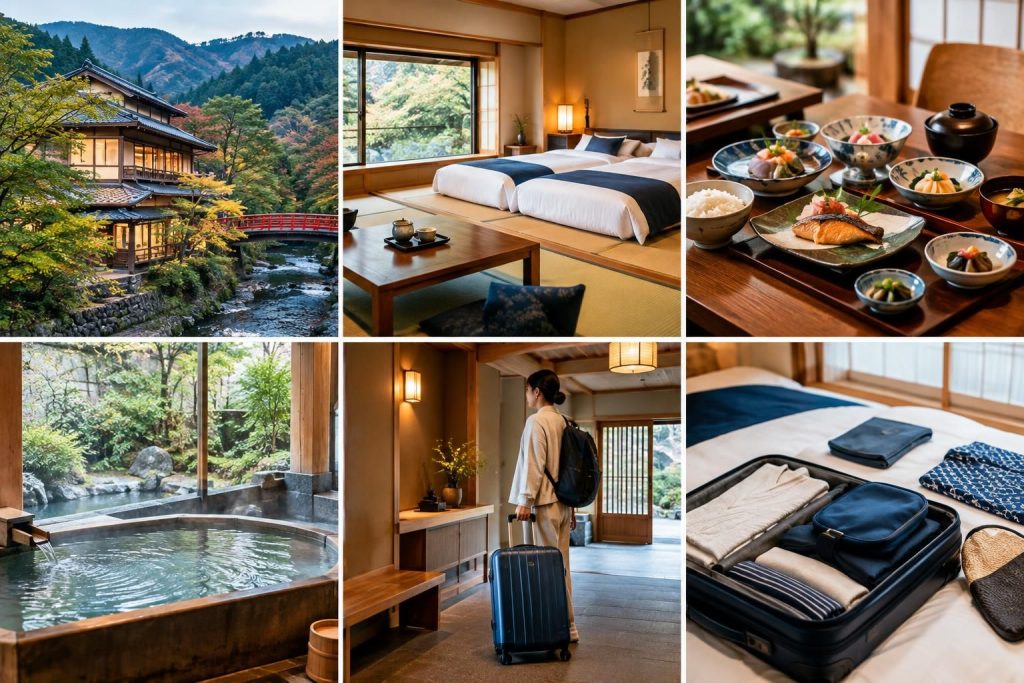
The first day of a trip often looks deceptively empty on an itinerary. You arrive, reach your accommodation and start exploring. In practice, that simple sequence can involve an unfamiliar station, bags you cannot yet put down, a room that is not ready and a phone running low on power. Rather than filling the day with ambitious plans, build it around a few dependable steps. A flexible arrival plan helps you handle both an unexpectedly early arrival and a journey that runs late, without treating the whole day as lost.
Build the day around when you can actually settle in
Start with two separate times: when your transport is due to arrive and when you expect to be comfortably inside your accommodation. Between them, allow for getting off the plane or train, collecting luggage, completing any arrival formalities and making the onward journey. Avoid treating the scheduled arrival time as the beginning of your sightseeing day.
Then identify the main constraint. An early arrival may leave a gap before room access; a late arrival may make accommodation entry the priority. Check the property's arrival arrangements, including how to communicate a delay and whether entry requires meeting someone. Keep these details accessible without relying on a fresh message arriving at exactly the right moment.
Choose an onward journey you can manage with luggage
The best transfer is not always the quickest one on paper. Compare the practical steps: changes between services, stairs, walking surfaces and the distance from the final stop to the entrance. A route that looks straightforward with a small backpack may feel very different with two suitcases or children who need a break.
Choose a preferred route and one realistic alternative. For example, your main plan might be a direct train followed by a short walk, with a taxi as the fallback if the connection becomes awkward. Save the accommodation's full address and entrance instructions. If you are driving, establish where you will leave the car and how luggage gets from there to your room.
Solve the luggage gap before choosing activities
If you cannot access your room immediately, decide what happens to your bags. Ask whether your accommodation can hold them, or investigate a separate storage option and its collection arrangements. Do not assume storage is available simply because it would be convenient. A plan that depends on leaving luggage somewhere needs confirmation before it becomes the basis of your day.
Keep the waiting period geographically compact. If bags can stay near your accommodation, choose a nearby meal or short outing rather than crossing the destination twice. If you must keep them with you, favor a comfortable place to pause over an attraction with narrow passages or extensive walking. Keep documents, valuables and essentials for the next few hours with you.
Plan the first meal as a practical stop
Arrival-day meals work best when they do not become another complicated assignment. Identify the kind of food stop you need: breakfast after an overnight journey, a simple lunch before room access or dinner close to your accommodation. A distinctive local meal can be a pleasure, but the first meal does not have to carry the weight of the whole destination.
Choose an area with alternatives rather than depending on one restaurant. If your accommodation has cooking facilities, a small grocery stop might cover an easy meal and breakfast supplies. Keep the list short so shopping does not take over the afternoon. Travelers with specific food requirements may prefer to carry a suitable journey snack rather than depend entirely on finding something immediately.
Give yourself one optional introduction to the destination
Pick one modest experience that makes you feel you have arrived: a stroll around a nearby square, a waterfront viewpoint, a café terrace or a small neighborhood park. It should be easy to shorten, skip or move to another day. This gives the day a sense of place without turning a delayed journey into a chain of missed commitments.
Save experiences with costly reservations, long transfers or substantial physical effort for a less uncertain day where possible. If an arrival-day event is the reason for the trip, work backward from that commitment and consider whether arriving earlier would make the plan more comfortable. Do not count on enthusiasm alone to make a tight connection workable.
Write a short plan for early, expected and late arrival
A useful arrival note needs only three versions. Early: leave bags if arranged, eat and take a short walk. Expected: travel to the accommodation, settle in and decide whether to go out. Late: prioritize entry, a straightforward meal and any essential preparation for tomorrow. Keep the address, transfer alternative and accommodation contact method alongside these options.
Before settling down for the evening, make the next morning easy. Charge devices, locate what you need for your first outing and check the details of any fixed booking. Resist using the evening to redesign the entire holiday. The aim is to finish the arrival process, not to compensate for every hour spent traveling.
A successful arrival day is not measured by how many sights you fit in. It is one in which you can reach your accommodation, manage your bags, eat and begin adjusting to your surroundings without unnecessary pressure. Secure those essentials, add one optional pleasure and let the rest of the trip begin from a settled starting point.
AI-assisted evergreen travel guide. Featured image is an AI-generated illustration, not a specific product or booking.